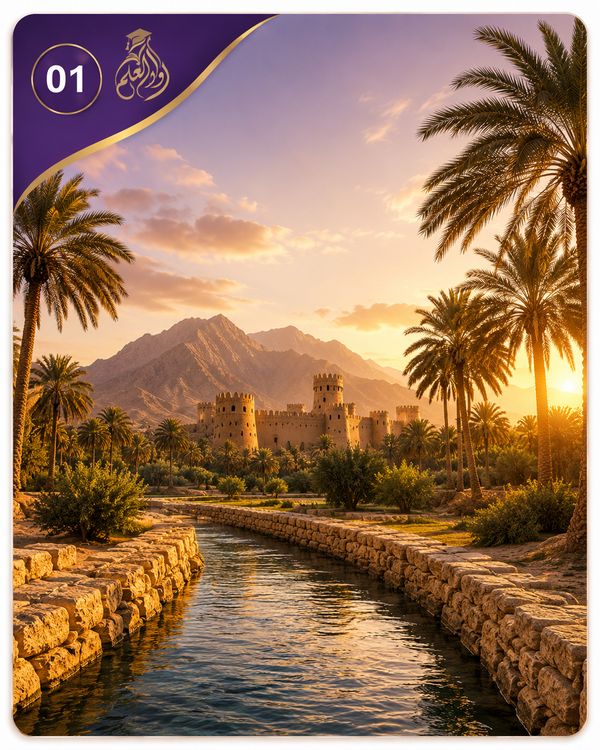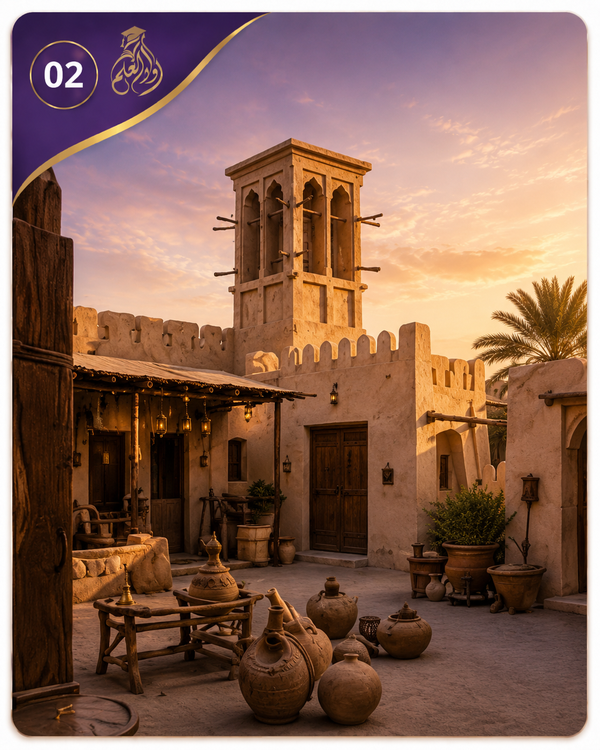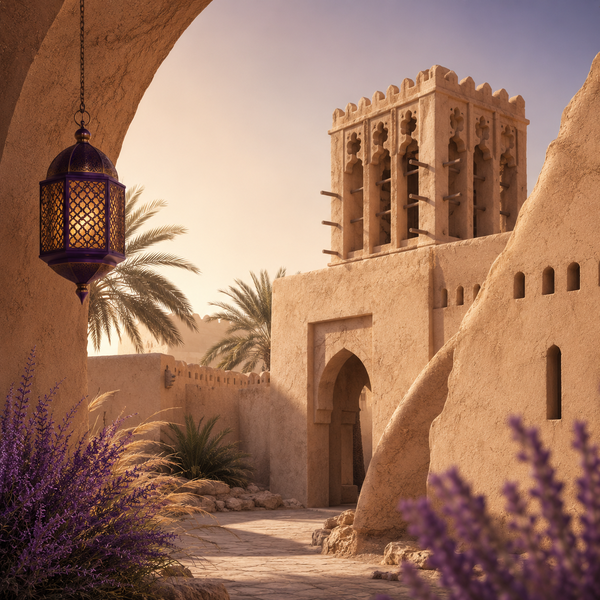









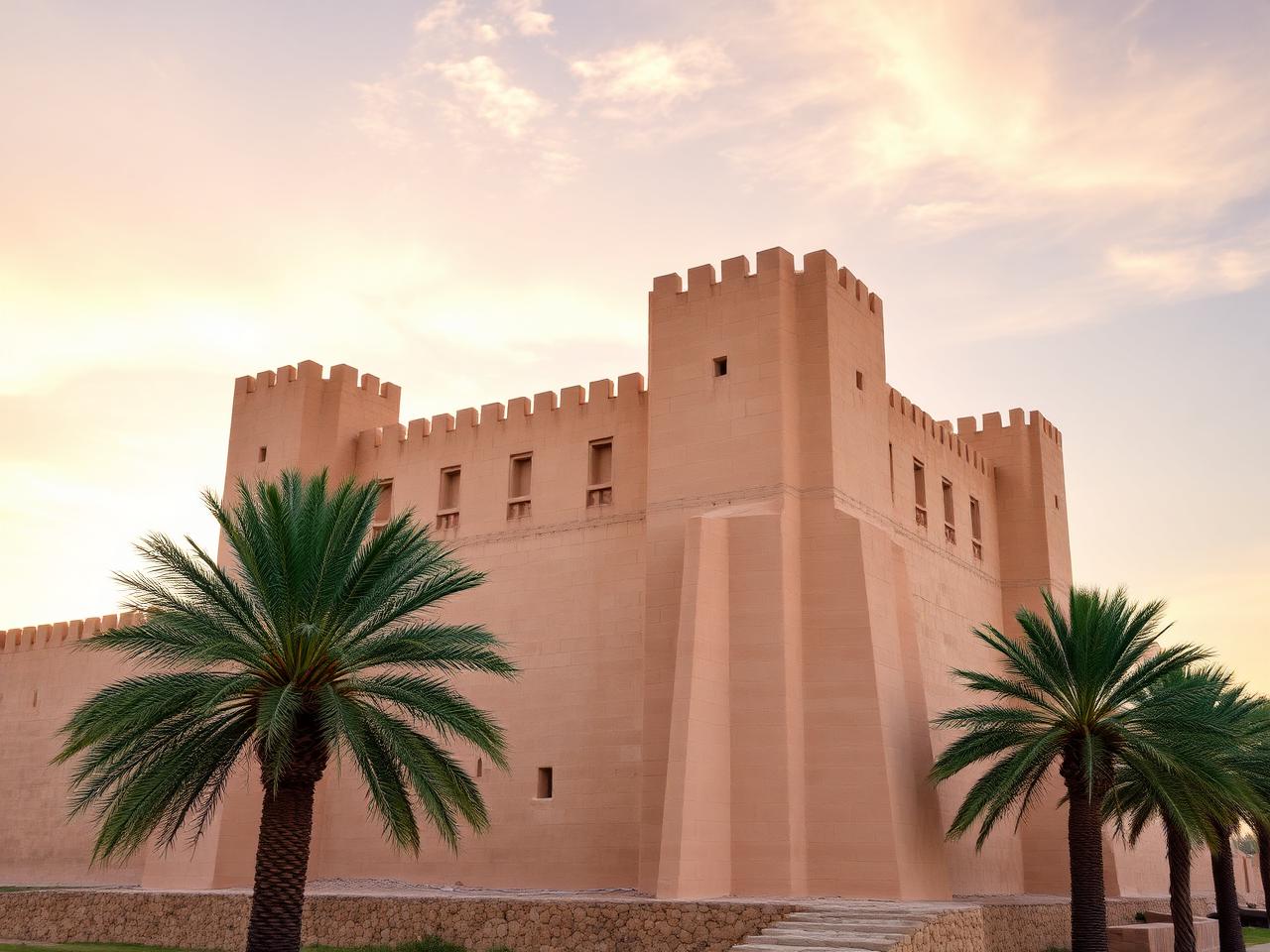

Al Jahili Fort
Dating back to the late 19th century, it was restored to become a museum displaying rare historical artifacts related to the founding father Sheikh Zayed, may God have mercy on him.
Emirate of Abu Dhabi
Where the Past Meets the Future
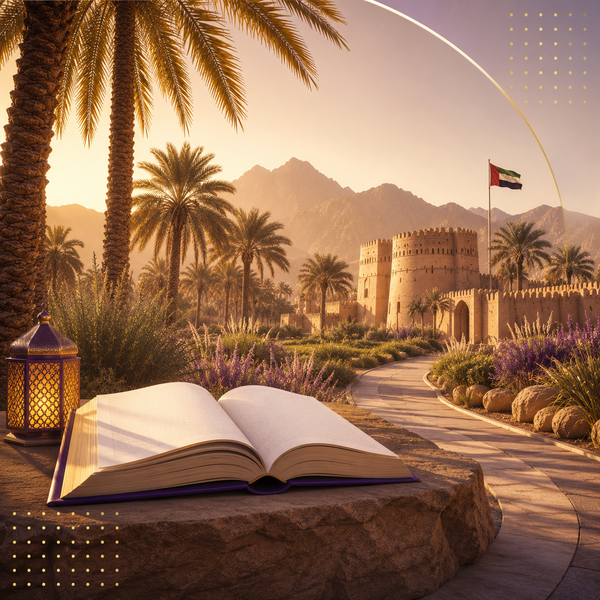
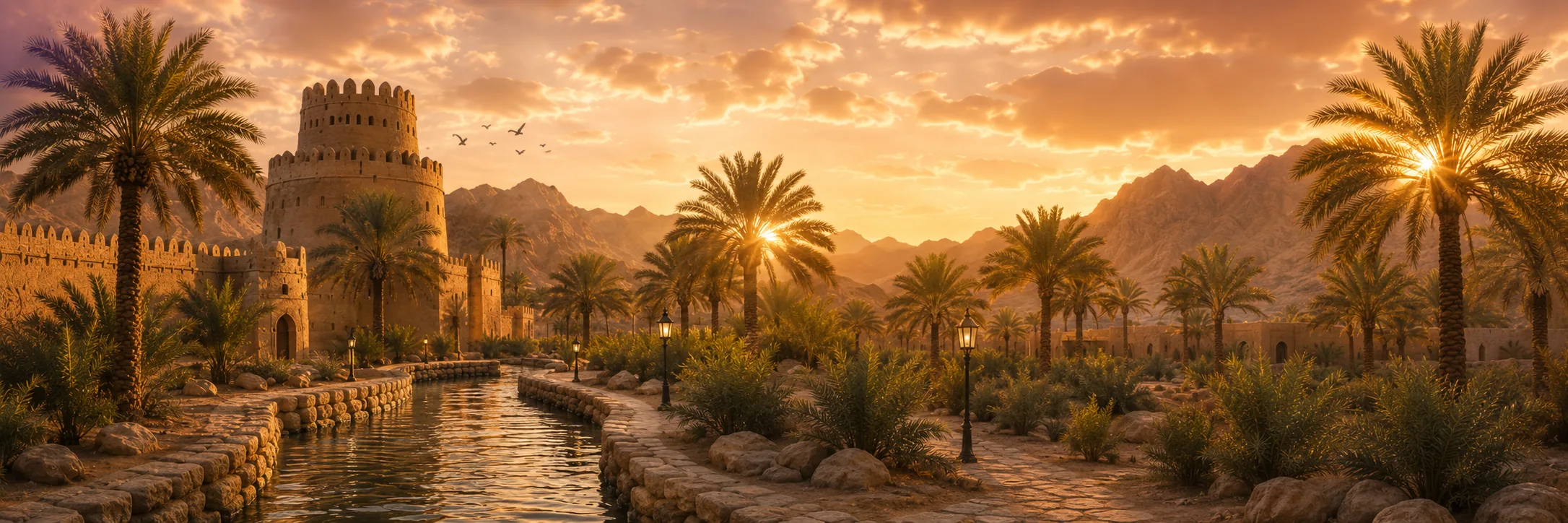
The City of Oases stands as a testament to the greatness of Emirati civilization, an unmatched jewel in the heart of the Arabian Desert.
Al Ain is located in the eastern part of the Emirate of Abu Dhabi, on the UAE-Oman border, giving it a unique strategic position that combines desert nature with geographic diversity.
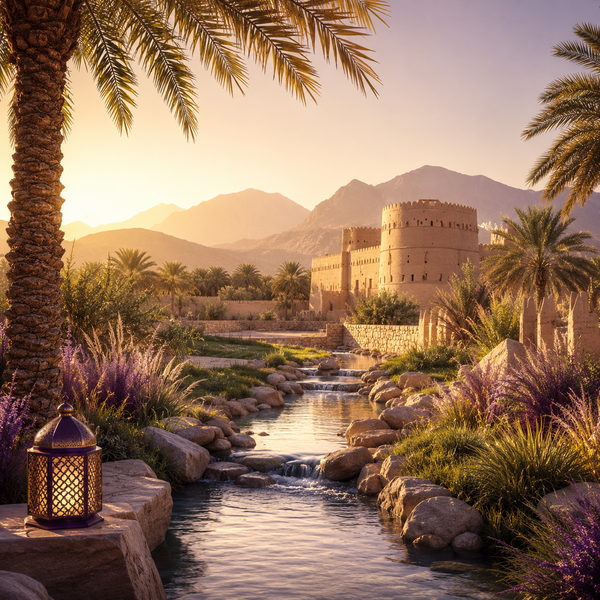
The late founding father Sheikh Zayed bin Sultan Al Nahyan, may God have mercy on him, gave it the title "City of Oases," due to its lush greenery and towering palm oases extending across vast areas in the middle of the desert.
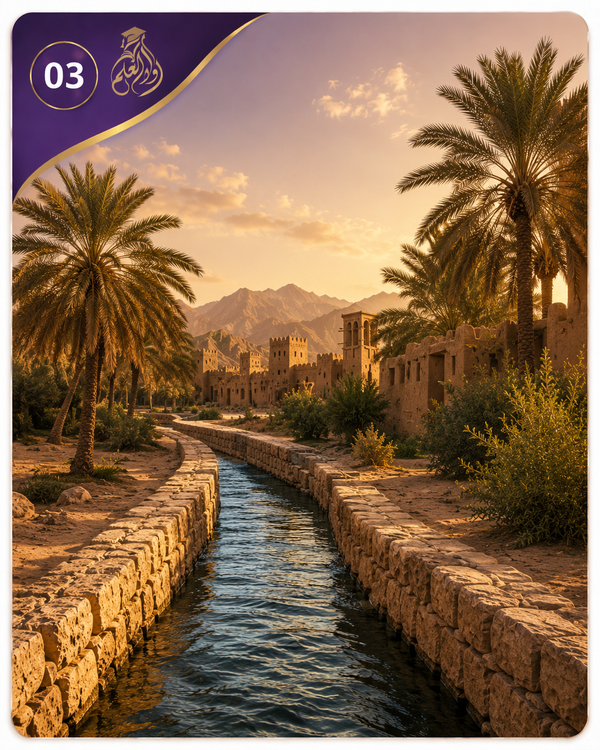
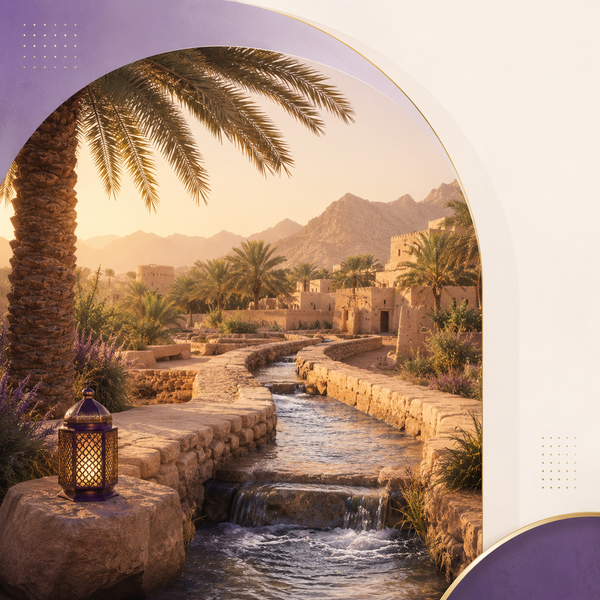
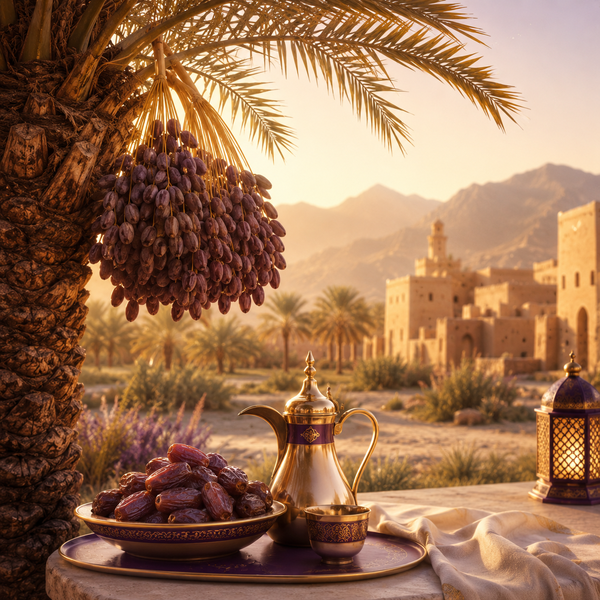
Al Ain is home to eight major historic oases, irrigated by the ancient Falaj system invented by our ancestors to harness groundwater. For thousands of years, the Emirati people succeeded in transforming barren land into green gardens where date palms and fruit trees flourish, a testament to their ingenuity and ability to adapt to the harshness of nature.
The Falaj system is one of the greatest engineering innovations achieved by people in the Arabian Peninsula, relying on a network of underground water channels that transport water from elevated areas to agricultural lands without the need for any external energy.
Major oases spread across the city
Ancient engineering innovation for groundwater extraction
Sustainable agriculture in the desert for thousands of years
A deep-rooted civilizational heritage in Al Ain
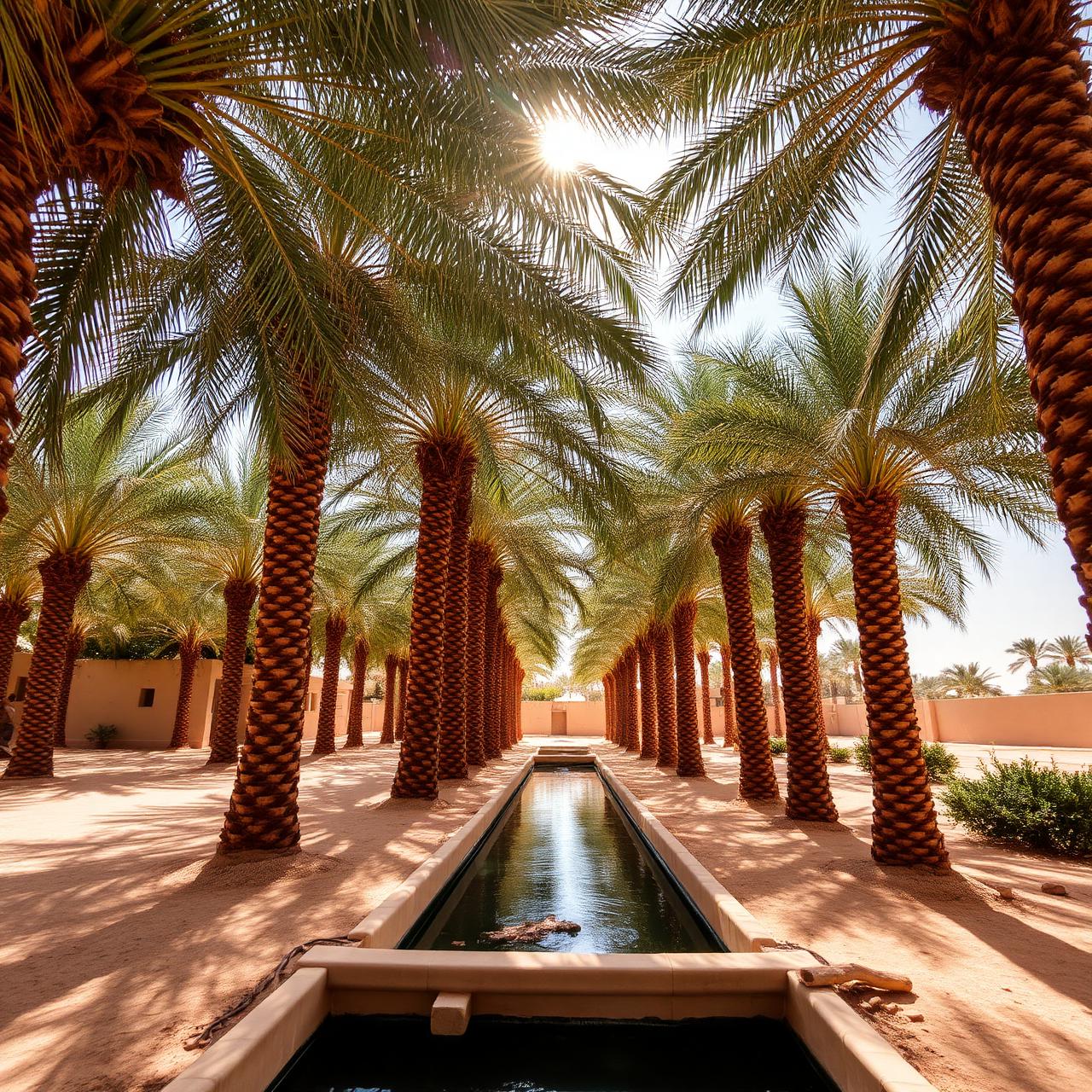
 Falaj System
The Falaj system in Al Ain represents a unique model of human adaptation to the harsh desert environment. Through an integrated network of water channels, our ancestors were able to irrigate the oases and transform the desert into fertile, thriving lands. This system has been listed as a UNESCO World Heritage Site in recognition of its exceptional civilizational and engineering value.
These three stages embody the ingenuity of the Emirati people in utilizing available natural resources and transforming them into a source of life and prosperity.
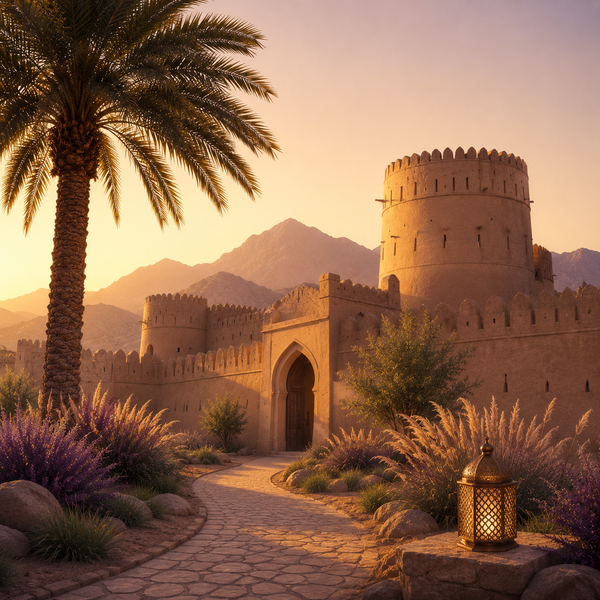
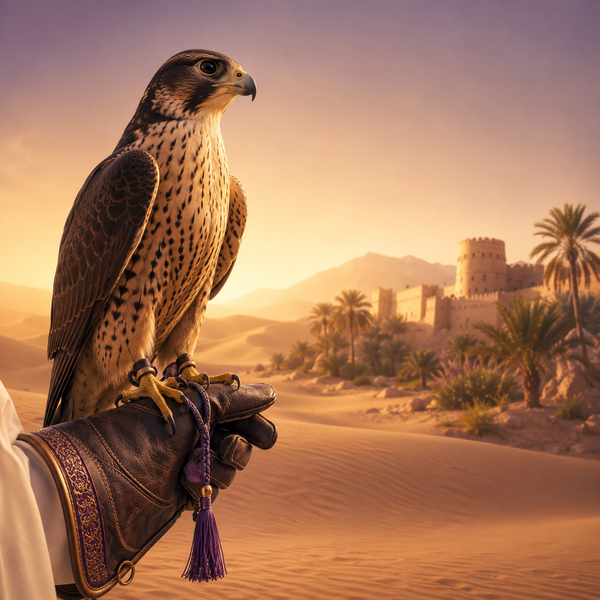
The forts and castles of Al Ain still stand tall, telling stories of courage and authentic Arab generosity. Al Ain Fort, the Palace, Mazyed Fort, and other historic defensive structures now serve as living museums attracting visitors from around the world.
Dating back to the late 19th century, it was restored to become a museum displaying rare historical artifacts related to the founding father Sheikh Zayed, may God have mercy on him.

A historic defensive structure that tells stories of courage and heroism, attracting thousands of visitors from around the world today.
One of the most prominent historic defensive structures in Al Ain, embodying the authenticity of Emirati civilization and the ancestors' ability to build and construct.
Archaeological discoveries in Al Ain reveal the existence of a complete human civilization dating back more than five thousand years, with tombs and settlements found at Hafit, Tall Abraq, and other sites indicating a high level of civilizational development. These discoveries represent a living testimony that this land was a cradle for established human civilizations thousands of years ago.
Archaeological tombs and settlements dating back thousands of years, revealing early civilizational development in the region.
A highly significant archaeological site containing remains of ancient human settlements reflecting the complexity of social life at that time.
UNESCO declared the inclusion of Al Ain oases and Al Ain Falaj in the World Heritage Sites list for their exceptional civilizational value.
 World Heritage
 In 2011, UNESCO declared the inclusion of Al Ain Oases and Al Ain Falaj in the World Heritage Sites list, for their exceptional global civilizational value. This listing represents an official international recognition that this city is not merely a geographic location, but a civilizational witness to the creativity of the Emirati people throughout the ages.
The inclusion of Al Ain in the UNESCO World Heritage list embodies the exceptional civilizational value of this city, whose roots extend more than five thousand years.
The City of Oases stands as a testament to the greatness of Emirati civilization, an unmatched jewel in the heart of the Arabian Desert.