Traditional Architecture

Emirati Heritage

Traditional Architecture

When Clay & Plaster Speak the Language of Identity

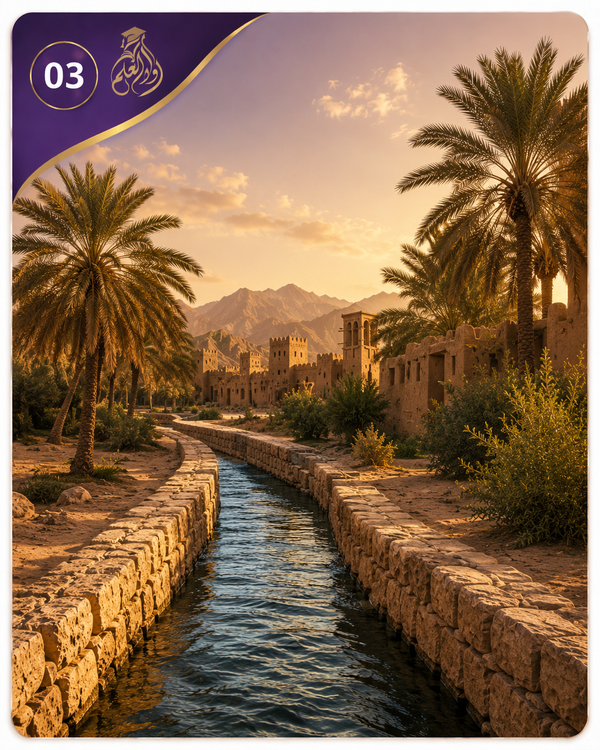
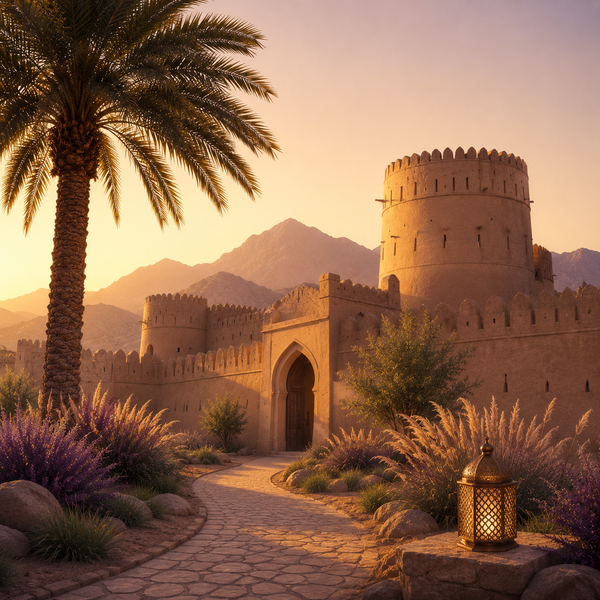
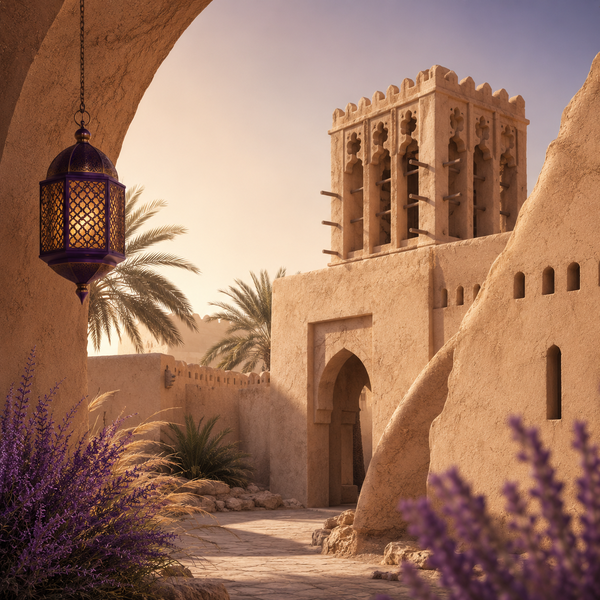
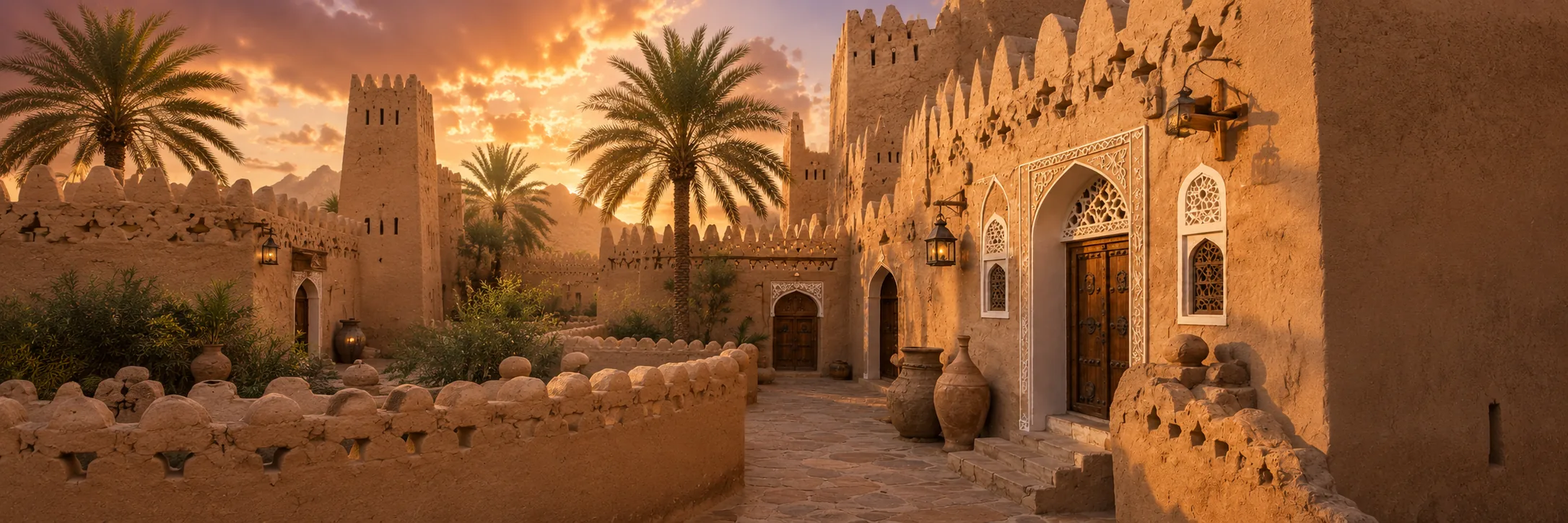
The traditional mud-brick buildings in Al Ain form an open architectural museum telling the story of the Emirati people and their harmony with the environment, where they excelled in using clay, plaster, and palm fronds to build dwellings that defy the desert heat.

+200
Buildings
Heritage Buildings
4
Materials
Local Building Materials
+300
Years
Architecture History
2011
UNESCO
World Heritage
Introduction

Traditional Architecture in Al Ain

The Philosophy of Mud-Brick Building

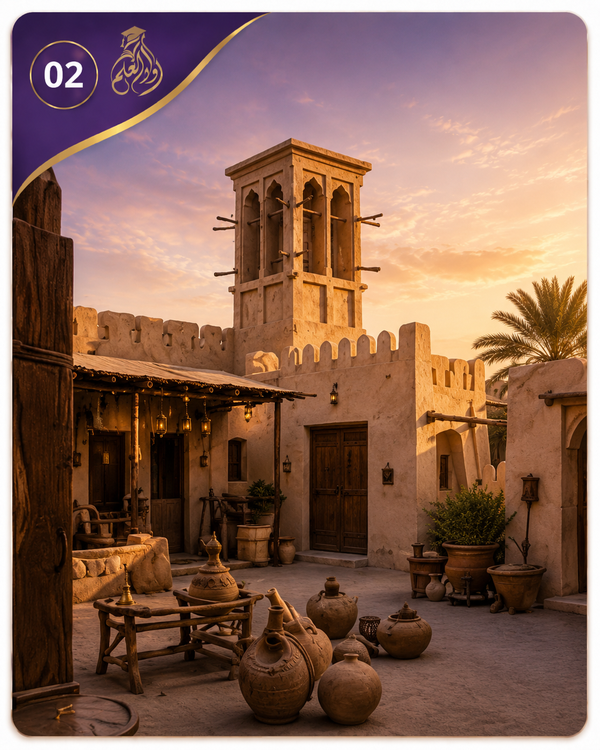
For centuries, the Emirati people relied on local environmental materials to build their homes, using mud bricks (Libin), plaster (Sarooj), palm trunks (Da'oun), and palm fronds (Areesh). This was not a random choice but an intelligent building philosophy harmonizing with the desert climate, where thick walls provide natural insulation against heat.

Traditional Architecture Patterns

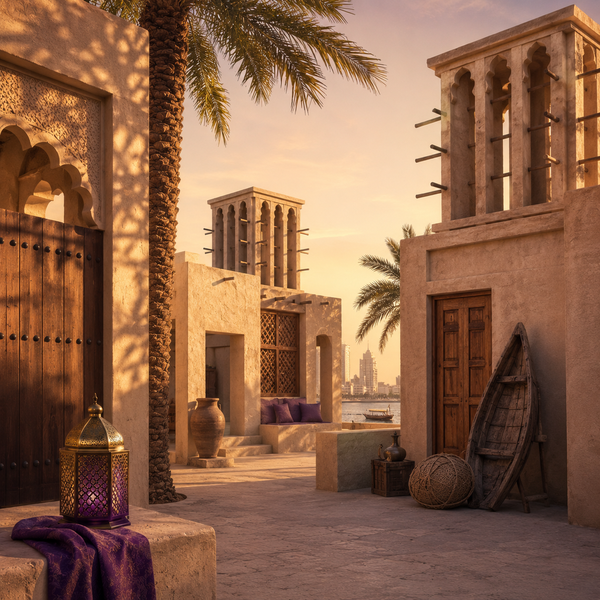
Traditional architecture patterns in Al Ain vary between forts (castles) that served as centers of authority and protection, traditional houses with their open interior courtyards, defensive towers (Burooj) that overlooked oases and trade routes, and ancient mosques with their simple yet expressive designs.

Chapter One

Building Techniques Traditional

Traditional building techniques in Al Ain were distinguished by unique engineering intelligence reflecting a deep understanding of the local environment. Walls are built from sun-dried mud bricks (Libin) with a thickness ranging from 40 to 60 centimeters to provide natural thermal insulation. Sarooj — a mixture of clay and lime — is used as an adhesive material and exterior coating protecting walls from rain and wind.

Palm trunks are used as ceiling beams (Da'oun), covered with layers of palm fronds, mats, then clay, creating an effective natural cooling system. Windows are small and high to reduce heat entry while allowing air circulation, while facades are decorated with geometric plaster ornaments reflecting the artistic taste of the Emirati builder.

+300
Years of History

An authentic architectural tradition passed through generations

Clay & Plaster

Smart local materials harmonizing with the desert climate

Interior Courtyards

Brilliant design providing shade, privacy, and ventilation

4
Main Building Materials

Clay, plaster, palm trunks, and fronds

Forts and Castles
Defensive Architecture
Chapter Two

Forts & Castles: Guardians of Al Ain Through Centuries

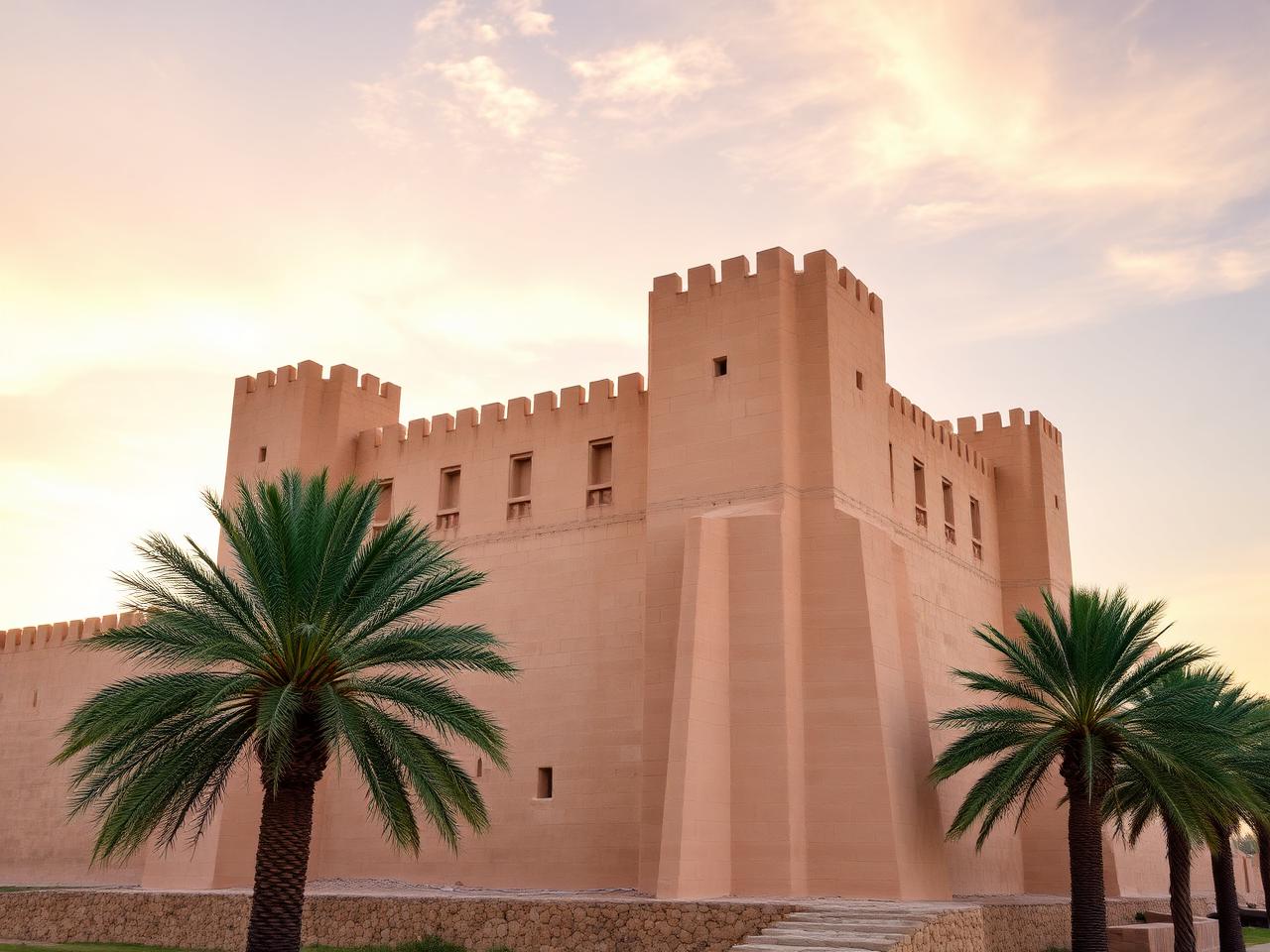
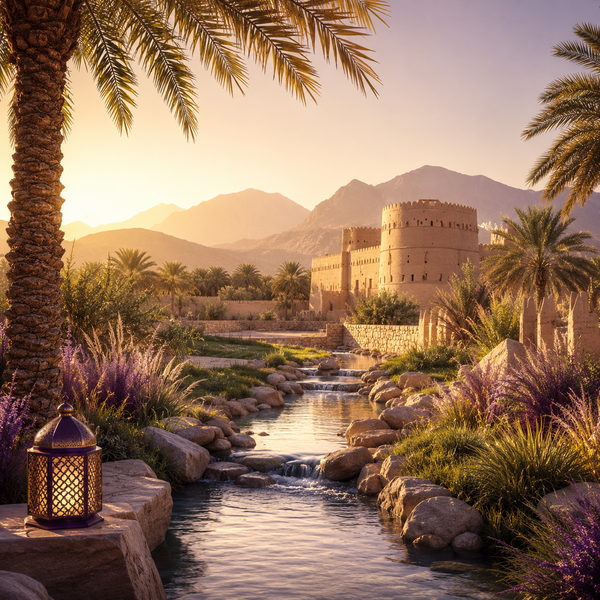
The city of Al Ain is dotted with historical forts and castles that formed the first line of defense for oases and residents through the centuries. Most prominent is Al Jahili Fort, built in 1891 and considered one of the largest forts in the region; Al Muwaiji Palace, which witnessed the birth of the late Sheikh Zayed bin Sultan Al Nahyan; and Al Muraijib Fort and Al Rumailah Castle.

Al Jahili Fort
Built in 1891, one of the largest heritage forts
Al Muwaiji Palace
Birthplace of Sheikh Zayed and symbol of royal heritage
Defensive Towers
Watchtowers overseeing oases and trade routes

Many of these forts and castles have been transformed today into museums and cultural centers welcoming visitors from around the world, telling the story of Emirati defensive architecture and its evolution through the centuries.

Chapter Three

Heritage Architecture Today.. Restoration & Revival

The UAE exerts great efforts in restoring and preserving heritage buildings, using the same original materials and techniques alongside the latest global preservation technologies, so these buildings remain witnesses to the Emirati architectural genius.

Building Restoration

Restoration Projects

The Department of Culture and Tourism in Abu Dhabi implements comprehensive restoration projects for heritage buildings in Al Ain, using the same original materials and traditional techniques employed by early builders, with scientific documentation of every stage.

World Heritage

World Heritage Sites

Al Ain's cultural sites were inscribed on the UNESCO World Heritage List in 2011, in recognition of the exceptional architectural and historical value of its forts, oases, and heritage buildings.

Architectural Education

Knowledge Transfer

The UAE works to transfer traditional architecture arts to new generations through specialized workshops, academic programs, and interactive museums that introduce youth to heritage building techniques and the skills of early craftsmen.

Chapter Four

Heritage Architecture in the Conscience of the Emirati

Heritage architecture holds a special place in the Emirati conscience. It is not merely buildings but a living witness to the genius of the ancestors. Every fort, every tower, and every old house tells a story of resilience and creativity, reminding us of humanity's ability to transform simple environmental materials into timeless architectural masterpieces.

1

Natural Thermal Insulation

Studies have proven that thick mud walls provide thermal insulation reducing indoor temperature by 10-15 degrees Celsius, making them more efficient than many modern building materials.

2

Environmental Sustainability

Traditional architecture represents an early model of sustainable building, using renewable local materials and harmonizing with the natural environment without harming it, which is what modern architecture aspires to today.

3

Global Architectural Legacy

The inscription of Al Ain sites on the UNESCO World Heritage List in 2011 brought international spotlight on Emirati heritage architecture and its unique techniques for dealing with the desert environment.

World Heritage

Heritage Architecture.. UNESCO World Heritage

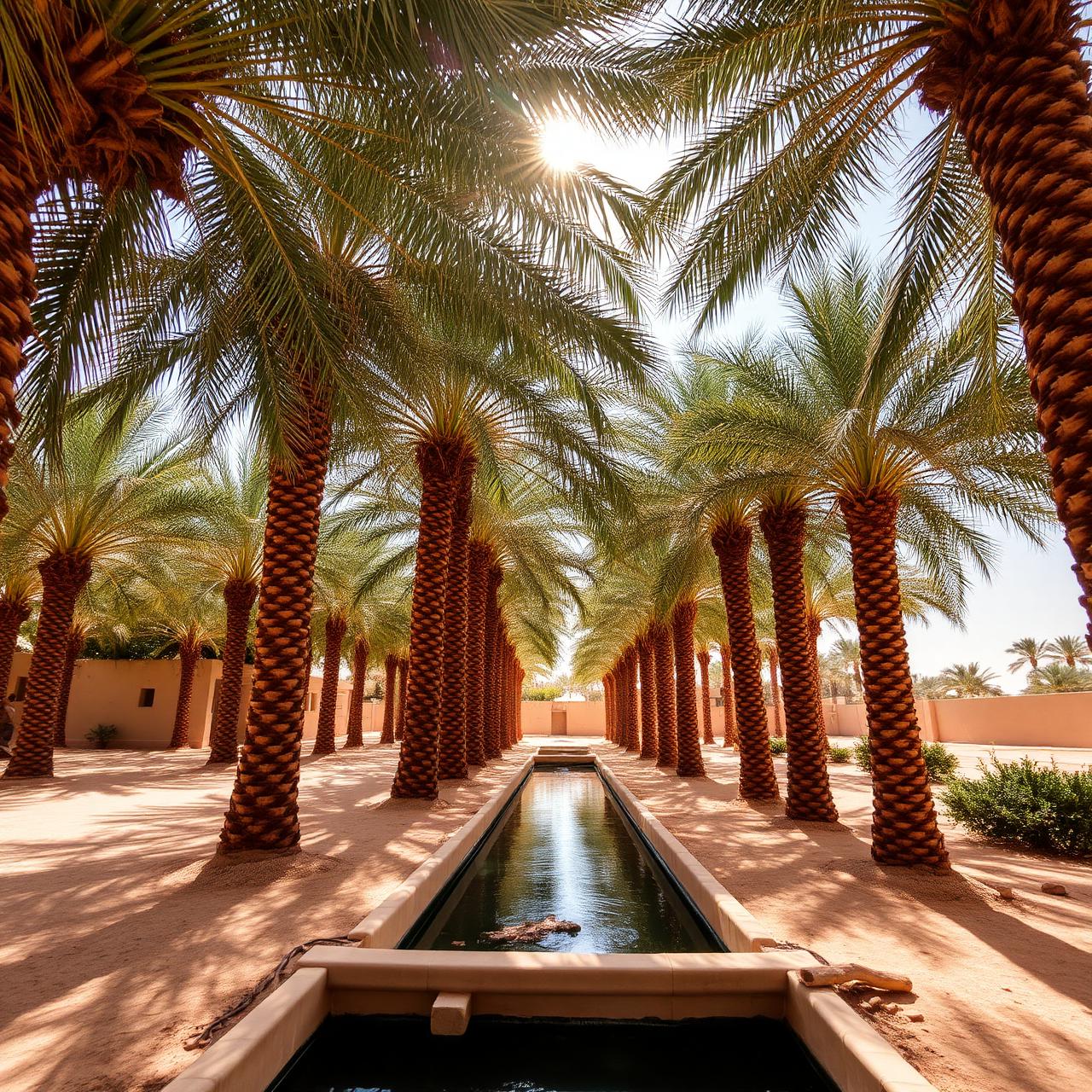
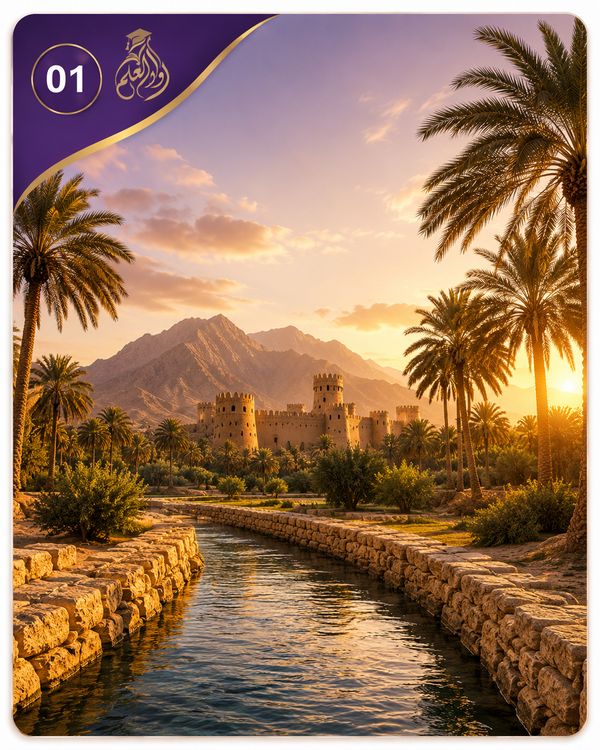
In 2011, UNESCO inscribed Al Ain's cultural sites on the World Heritage List, in recognition of the exceptional value of its heritage architecture, oases, and Falaj systems. This inscription includes Al Jahili Fort, Al Muwaiji Palace, Al Ain Oases, and Jebel Hafeet archaeological sites, confirming the global significance of this unique architectural legacy.

Heritage architecture is not just stone and clay; it is a silent language that speaks of genius and resilience. In every wall there is a story, and in every fort there is the history of a nation that excelled in transforming a harsh environment into a safe haven and timeless architecture.

Heritage Architecture.. Where Clay Speaks

The traditional mud-brick buildings in Al Ain form an open architectural museum telling the story of the Emirati people, where every wall and every fort remains a bridge connecting generations to their ancestors' creativity and architectural genius.

From the Blog

Articles from Rawad Al-Ilm