

Global Charitable Work
He established the UAE Red Crescent Authority and the Zayed Charitable Foundation. Under his leadership, the UAE provided billions of dirhams in humanitarian aid to over one hundred countries worldwide.
Leadership & Vision
The Man Who Built a Nation from an Oasis
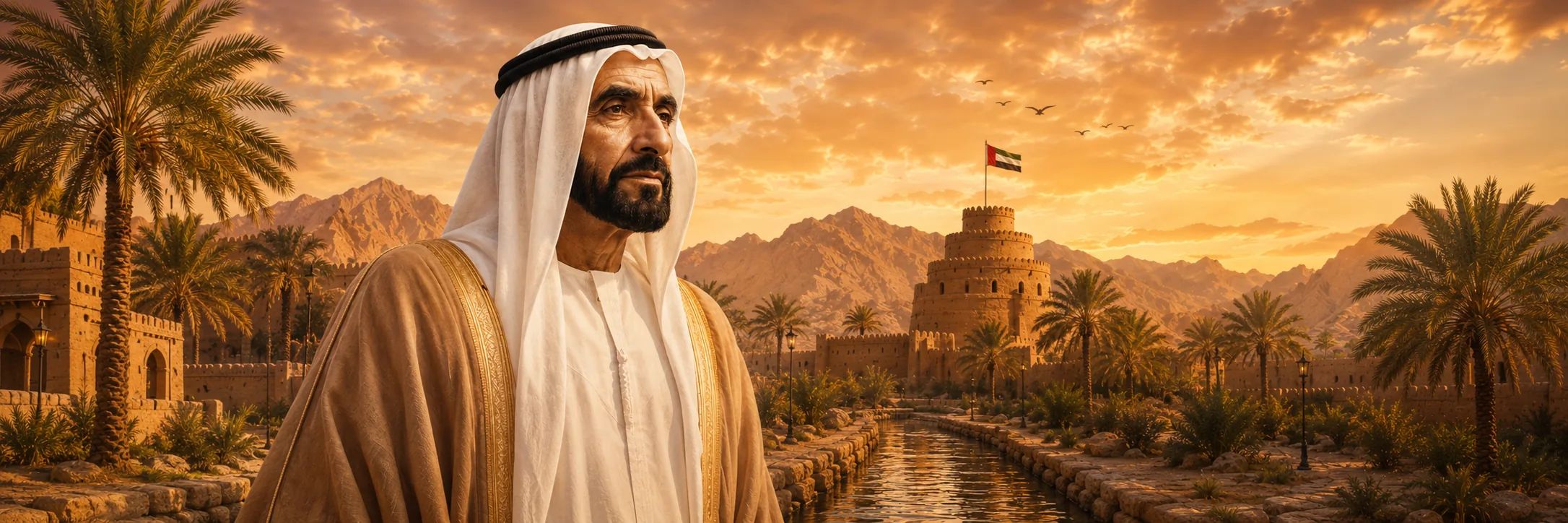
From the heart of Al Ain began the journey of building the modern UAE at the hands of founding father Sheikh Zayed bin Sultan Al Nahyan, whose character and philosophy of governance were shaped by Al Ain.
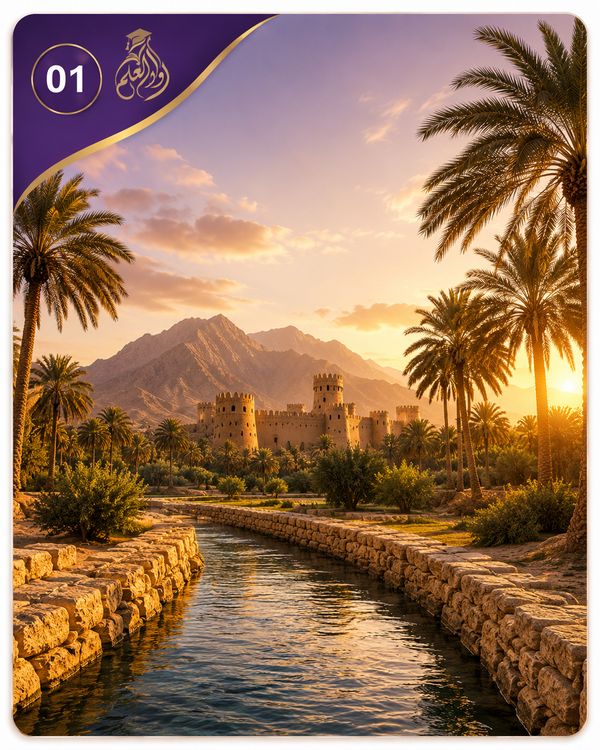
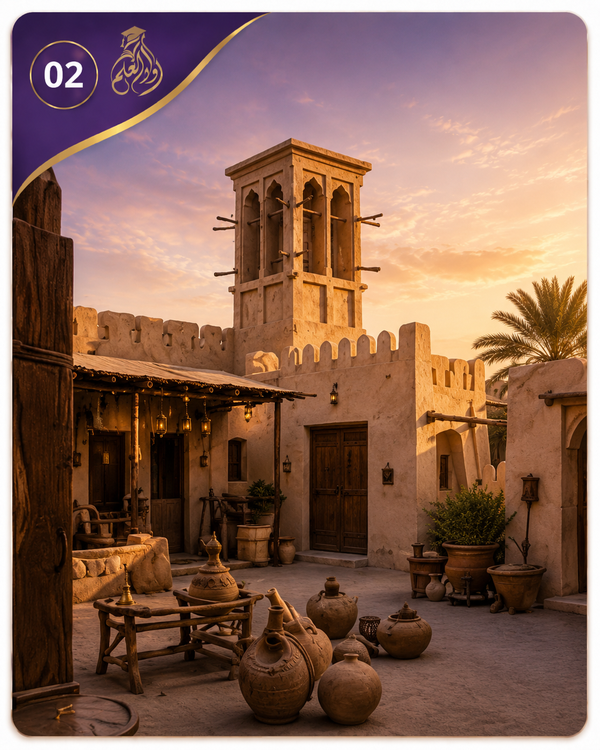
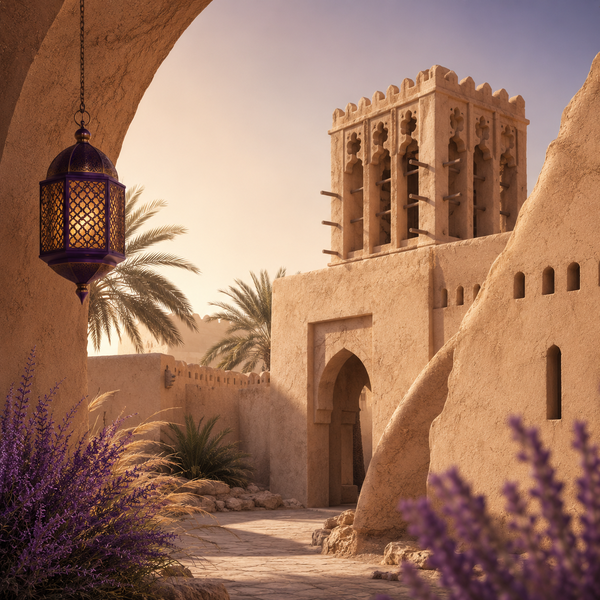
Sheikh Zayed bin Sultan Al Nahyan was born in 1918 in Al Ain, where he grew up among the oases and desert. He learned from his surroundings patience, wisdom, and love of the land, understanding the value of water and agriculture in human life. This simple childhood in nature's embrace shaped the character of an exceptional leader who understood challenge before he understood power.
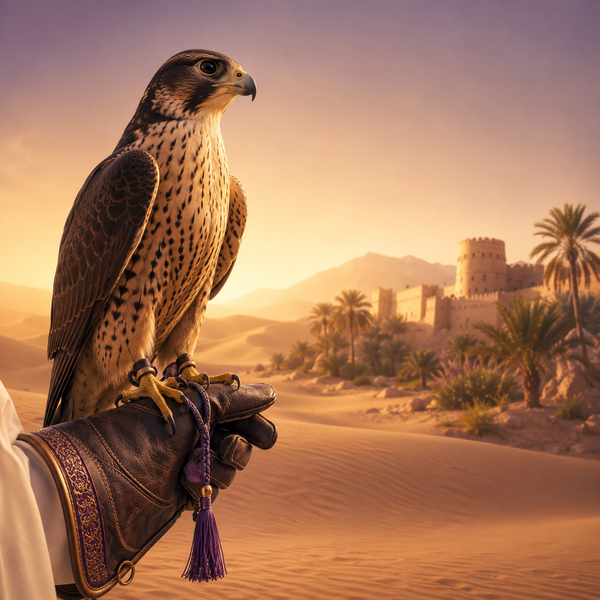
From an early age, he ventured out with shepherds and farmers, learning the art of falconry and listening to ancestral tales around the campfire. He knew the names of the stars and the paths through the sands, mastering horse and camel riding, growing up as a true son of the desert carrying deep love for his land and people.
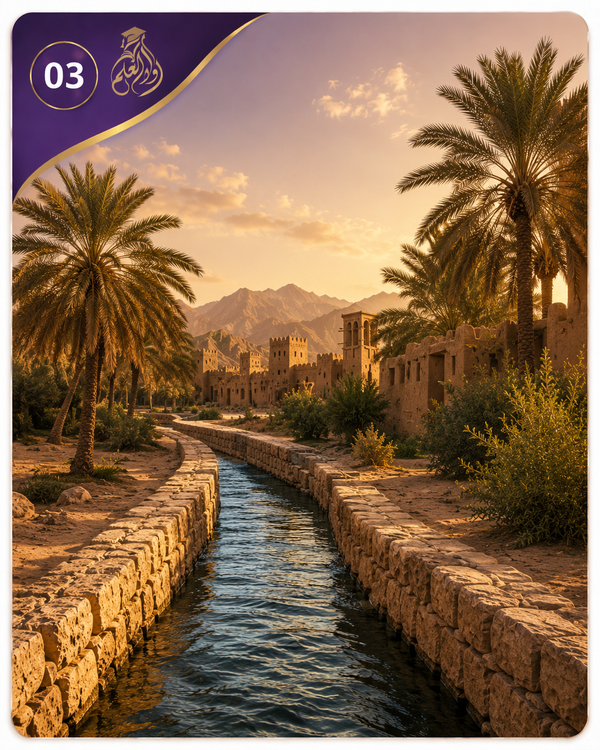
In 1946, Sheikh Zayed was appointed as the ruler's representative in the Al Ain region, beginning a new era of development and reform. He focused on improving the falaj system, developing agriculture, and achieving justice among tribes. He earned people's trust through his wisdom and humility, and Al Ain became under his leadership a model of community-based development built on mutual respect and collective effort.
He sat with the people in his open majlis, listening to their complaints and resolving disputes with justice and wisdom. He ordered roads to be built, wells to be dug, and farms to be expanded, spending from his personal wealth on infrastructure projects. He was known for his extraordinary generosity and humility, visiting the sick and sharing in the daily lives of the Bedouin without arrogance or pretense.
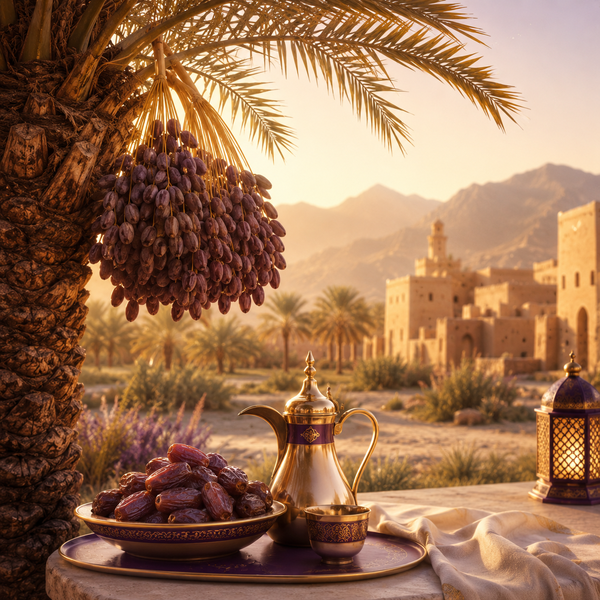
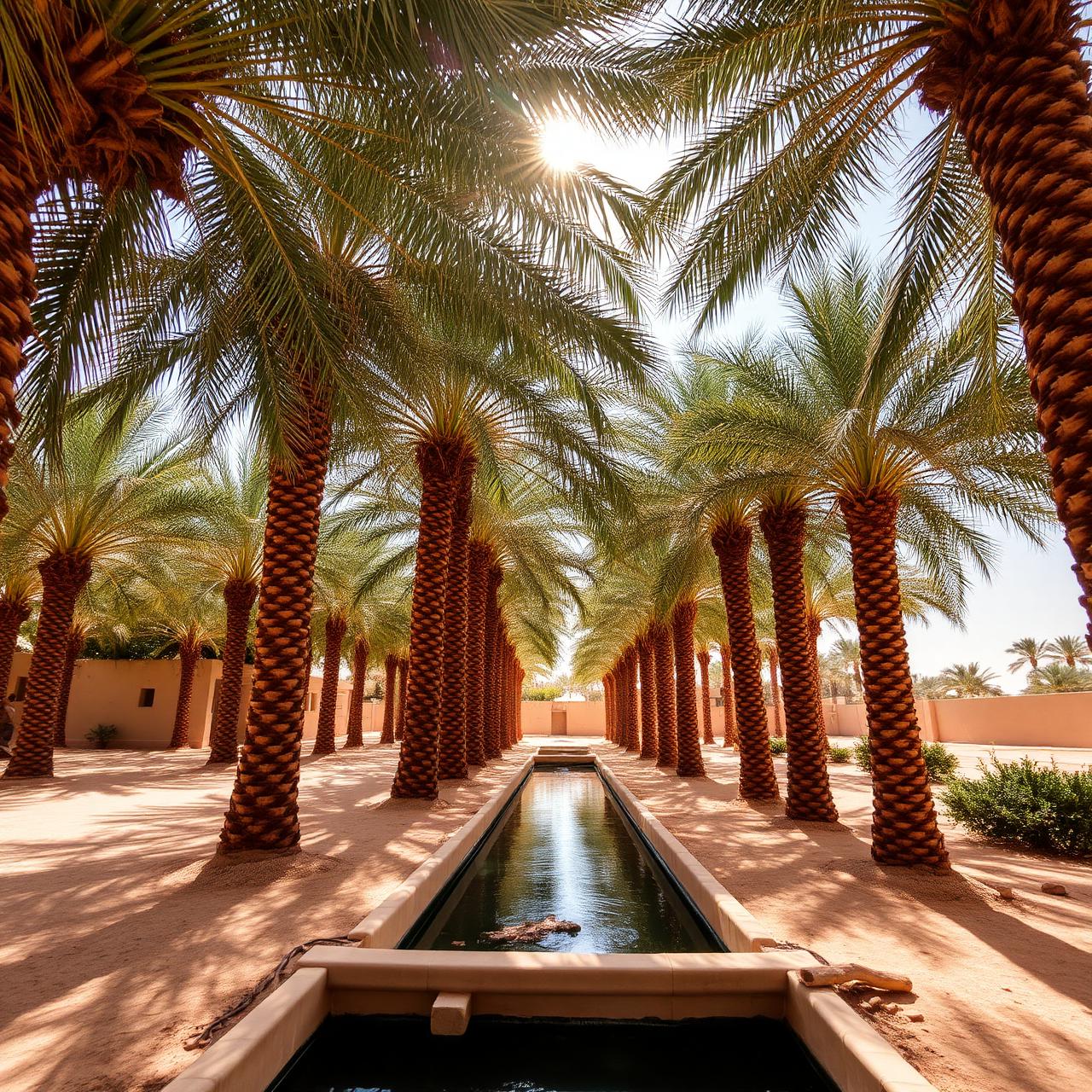
Sheikh Zayed believed that the desert was not an obstacle but an opportunity, launching an unprecedented greening project in the region. He ordered the planting of millions of palm trees and forest trees across the Emirates, transforming vast stretches of barren sand into green oases and productive farms. He famously said: "Give me agriculture, and I will guarantee you civilization," believing that agriculture is the foundation of stability and prosperity.
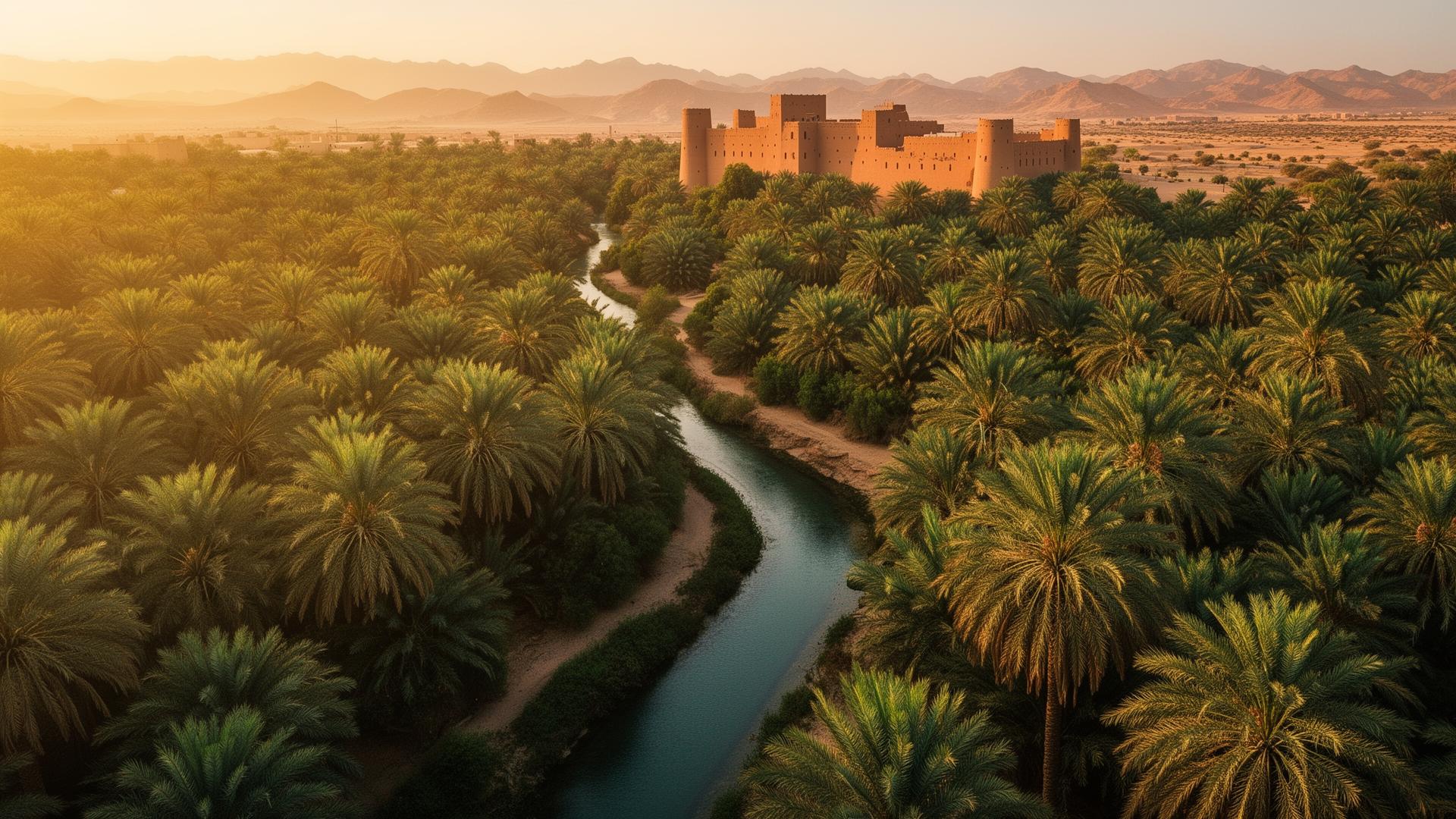
He did not stop at planting trees but established modern irrigation projects and brought in international experts to develop agricultural techniques. He transformed the ancient falaj system into a modern irrigation network and built desalination plants to secure water resources. Under his leadership, the UAE became one of the most environmentally conscious nations in the region, and Al Ain became a living symbol of Zayed's green vision.
Planted across the UAE by Zayed's order
Transforming the ancient irrigation system into a modern network
Securing water resources for greening projects
UAE became the region's environmental pioneer thanks to Zayed's proactive vision
 The Union
When Sheikh Zayed assumed the leadership of Abu Dhabi in 1966, he carried in his heart a dream larger than a single emirate: uniting the seven emirates into one strong and cohesive nation. He began consultations with the rulers of other emirates with wisdom and patience, believing that unity was the only path to a bright future. On December 2, 1971, the dream was realized with the declaration of the United Arab Emirates, and Sheikh Zayed was unanimously elected as its first president.
The path to union was not easy, facing immense political, tribal, and economic challenges. But Zayed, with his diplomatic acumen and steadfast belief in unity, overcame every obstacle. He made concessions when necessary and devoted Abu Dhabi's oil wealth to support less wealthy emirates, believing that the land's resources must serve all its people without discrimination.
The union was not merely a political agreement, but a life project that Zayed believed in wholeheartedly, dedicating all his resources to achieve it and engrain it in the conscience of future generations.
Zayed's benevolent hand extended beyond the borders of the UAE. He established humanitarian and charitable organizations that provided aid to millions of people across the world. He did not distinguish between race, religion, or color, seeing in every human being a brother deserving of help and dignity. His humanitarian vision represented a unique model of compassionate leadership.
He established the UAE Red Crescent Authority and the Zayed Charitable Foundation. Under his leadership, the UAE provided billions of dirhams in humanitarian aid to over one hundred countries worldwide.
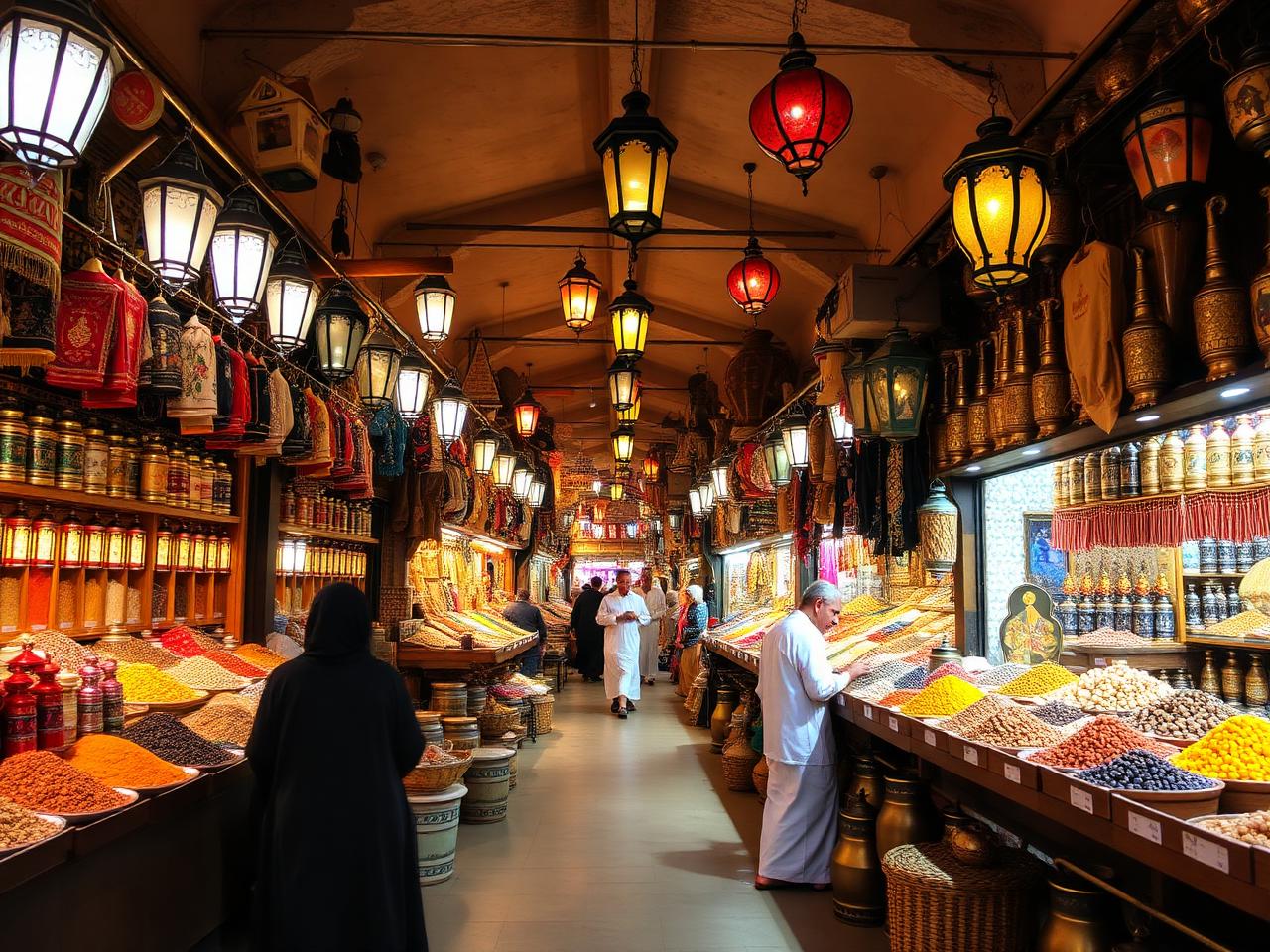
Zayed believed in dialogue and understanding between peoples and civilizations, opening the UAE's doors to all cultures and religions. He thus established a unique model of peaceful coexistence that the world emulates.
Sheikh Zayed left an eternal legacy that transcends geographic and temporal boundaries. He built a modern nation on foundations of justice, tolerance, and humanity, establishing values that made the UAE a model of coexistence and sustainable development. Zayed was not merely a ruler but a father to his people, listening to them, sharing their concerns and joys, and working tirelessly for their wellbeing.
When Sheikh Zayed passed on November 2, 2004, the entire world mourned. Nations and leaders alike agreed that he was one of the greatest statesmen of the twentieth century. But his legacy did not depart with him; it lives on in every Emirati citizen who carries the values of their founding father in their heart and mind.
Zayed believed that education is the most powerful weapon for building nations. He established schools and universities, sent study missions abroad, and made education accessible and free for every citizen. He founded UAE University in Al Ain in 1976 as a beacon of learning, and championed women's education, believing they are half of society and partners in building the nation.
Zayed was among the first leaders in the region to champion environmental protection. He established nature reserves such as Sir Bani Yas Island and Al Marzoom Reserve, banned overhunting, and launched desert greening initiatives that transformed the UAE into a green oasis. He gave special attention to protecting the Arabian oryx, falcons, and sea turtles from extinction.
Zayed instilled in his people the spirit of unity and national belonging, turning cultural diversity into a strength rather than a weakness. He established the principles of tolerance and coexistence that became the cornerstone of Emirati identity. He made the UAE a land where over two hundred nationalities live in peace and harmony, fostering a culture of mutual respect among all races, religions, and cultures.
 Zayed's Vision
 Sheikh Zayed bin Sultan Al Nahyan remains present in the heart of every Emirati and every Arab who understood the value of true leadership. He transformed a barren desert into a modern nation embracing over two hundred nationalities in unique coexistence. His vision was not limited to material construction but extended to building people and reinforcing the values of dignity, justice, and tolerance. His eternal legacy manifests today in every tree-lined street, every open school, and every bridge connecting nations.
True wealth lies in the wealth of men, not in money and oil. Money has no value unless it is dedicated to serving the people.
— Sheikh Zayed bin Sultan Al NahyanFrom the heart of Al Ain began the journey of building the modern UAE at the hands of founding father Sheikh Zayed, whose character and philosophy of governance were shaped by Al Ain.