



National Currency Symbol
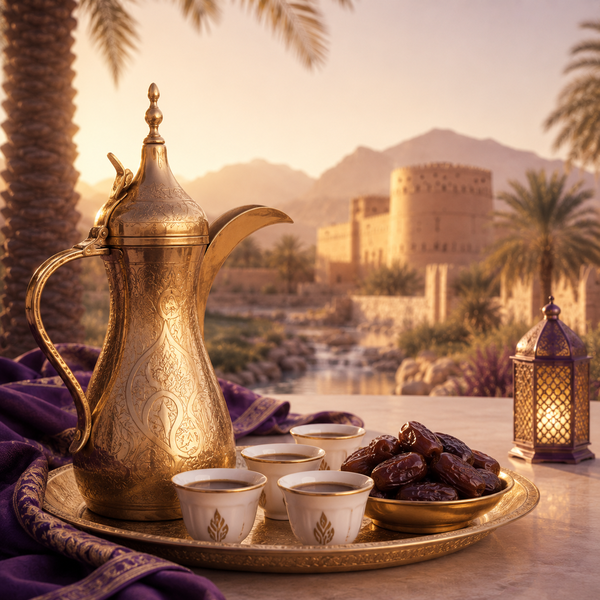
The image of the Arabic Dallah adorns the national currency of the UAE, appearing on the Dirham as a symbol reflecting the values of generosity and authenticity upon which the nation is built and its people take pride.
Culture & Society
The Arabs' Anthology & Record of Their Soul
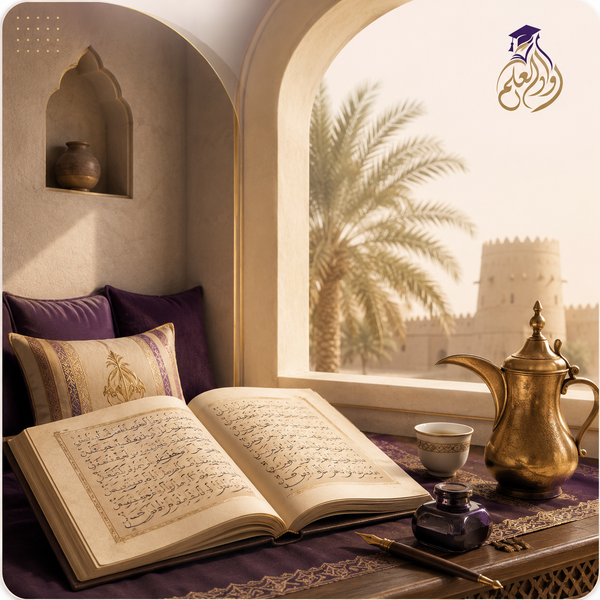
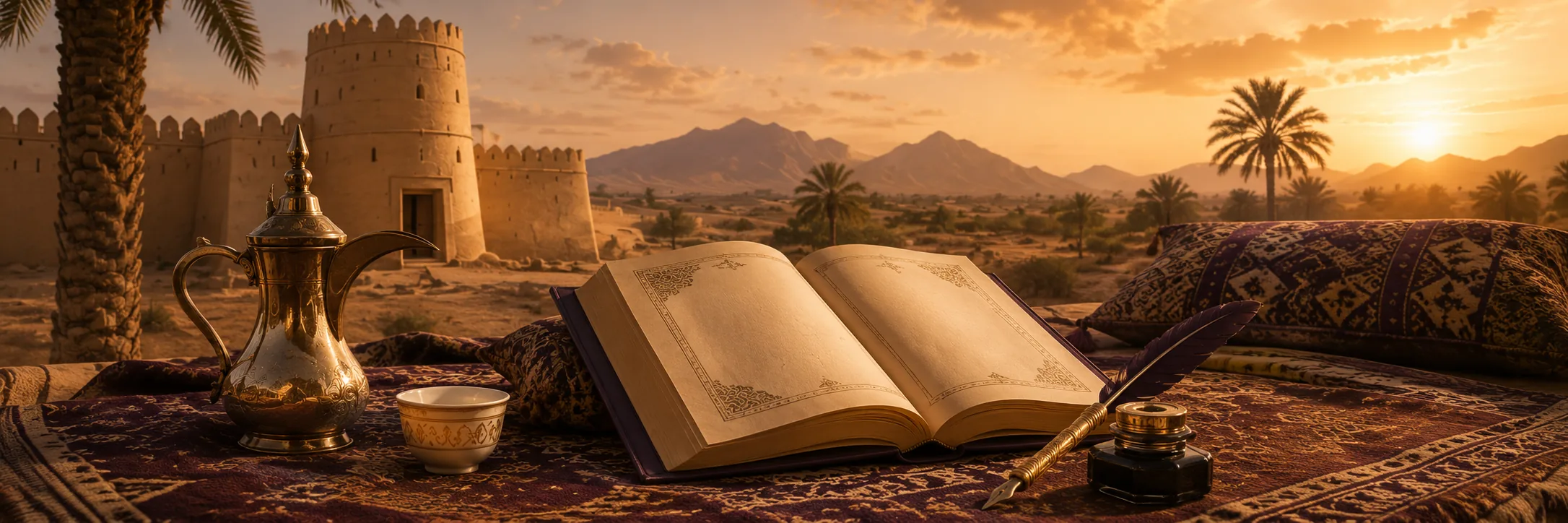
Nabati poetry is the authentic folk voice that narrates the tales of the desert and the emotions of the Arab people in the Arabian Peninsula, serving as the anthology of conscience that preserved the history, values, and glories of tribes across centuries.
Nabati poetry is folk vernacular poetry composed in the local dialect rather than classical Arabic. Also known as "popular poetry" or "Bedouin poetry," it originated in the Arabian Peninsula over five hundred years ago. It is distinguished by its spontaneity and sincere expression of the Arab's emotions and daily life in the desert.
Nabati poetry holds a central place in Emirati and Gulf culture. It is the people's folk anthology that preserved tribal histories, genealogies, and events. The Nabati poet was the voice of the tribe and its spokesperson, reciting at celebrations and sorrows, documenting battles and reconciliations, with generations passing down poems through memorization and narration.
Nabati poetry varies greatly in its themes and forms, reflecting the richness of Bedouin life. Its most prominent types include: love poetry (Ghazal) celebrating love and beauty, praise (Madh) extolling courage and generosity, satire (Hija) reproaching adversaries, elegy (Ritha) immortalizing the memory of the departed, and wisdom (Hikma) summarizing life experiences in eloquent verses.
Nabati poetry is also distinguished by its unique meters that differ from classical Arabic prosody. The most prominent include: "Hilali" with its fast flowing rhythm, "Mashoub" with its calm, melodious tone, and "Sakhri" with its strength and firmness. Each meter has its own musical mode, making Nabati poetry an auditory art par excellence.
An authentic poetic heritage passed through generations
Poetic themes reflecting the richness of Bedouin life
Special meters differing from classical Arabic prosody
Love, praise, satire, elegy, and wisdom
 Emirati Poets
The UAE has produced a great number of Nabati poets who enriched the Arab literary scene with their creativity. Among the most prominent: Al Majidi bin Dhahir, who lived in the seventeenth century and is considered one of the greatest Nabati poets in history; Sheikh Zayed bin Sultan Al Nahyan, who was a creative poet alongside being an inspiring leader; and the poetess Ousha bint Khalifa Al Suwaidi, known as "Girl of the Arabs."
When the guest has had enough coffee, he shakes the cup side to side as a signal of satisfaction, and the server must respect this gesture immediately. These etiquette rules remain preserved and practiced in Emirati Majlis gatherings to this day.
The Dallah has not remained confined to the past but has transcended its traditional role to become a national symbol present in every aspect of contemporary Emirati life. From the national currency to official emblems, the Dallah affirms its presence as a cultural icon connecting the past to the present.
The image of the Arabic Dallah adorns the national currency of the UAE, appearing on the Dirham as a symbol reflecting the values of generosity and authenticity upon which the nation is built and its people take pride.
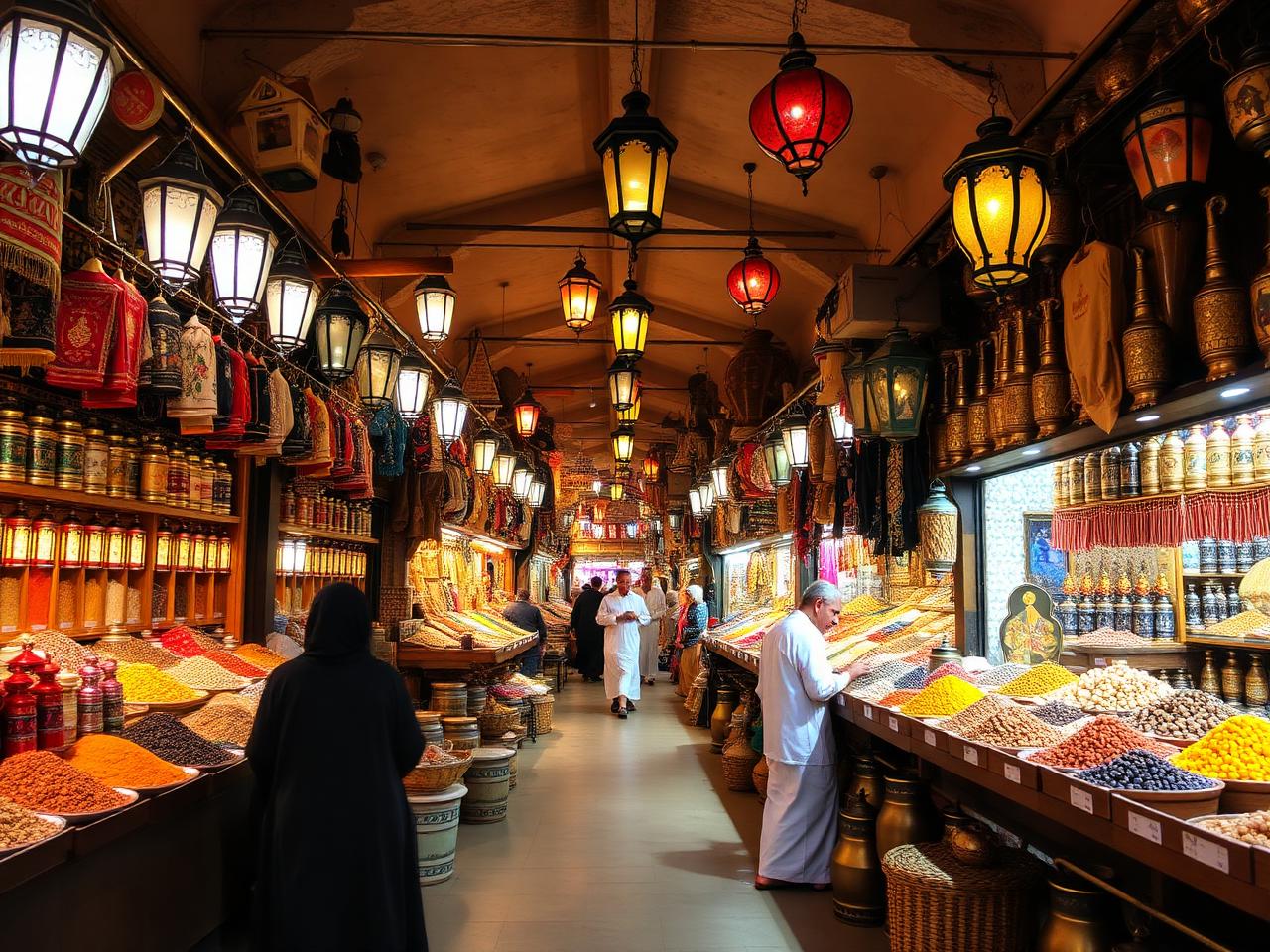
The Dallah and Arabic coffee have become an authentic part of Emirati national identity, served at official occasions, state receptions, and diplomatic delegations, representing the civilized face of the UAE before the world.
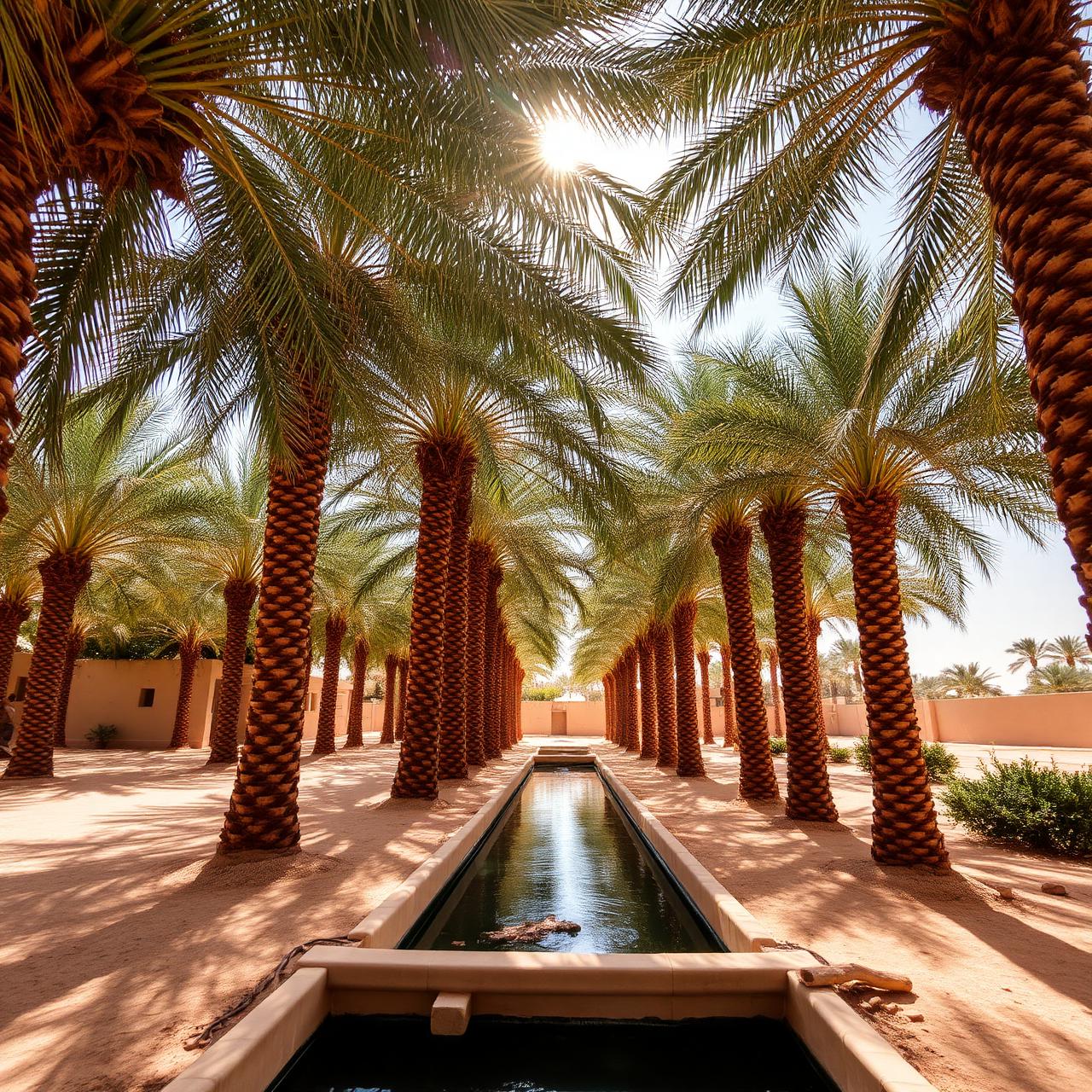
The UAE exerts great efforts to preserve Arabic coffee heritage through heritage festivals, competitions, and museums, while transmitting the arts of preparation and serving to new generations through specialized educational programs.
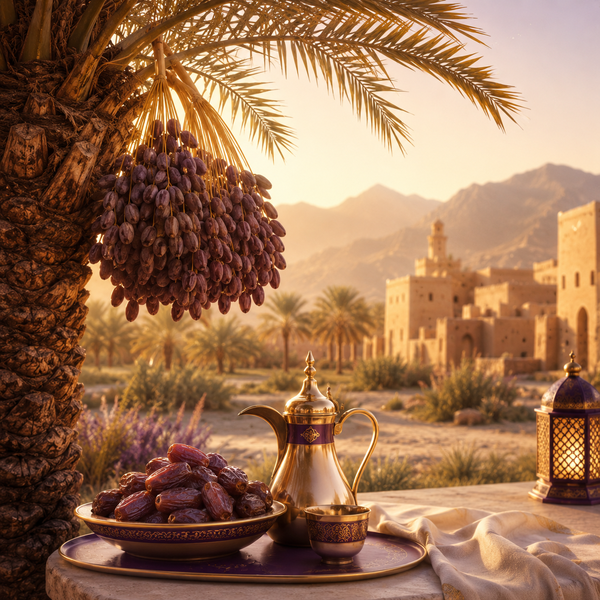
The Dallah and Arabic coffee hold a special place in the Emirati conscience. They are not merely a beverage but a deep social and spiritual ritual. Coffee is present at celebrations and condolences, in daily Majlis gatherings and official occasions, with the Dallah bearing witness to moments of connection and solidarity among Emirati society. The late Sheikh Zayed bin Sultan Al Nahyan was keen on serving Arabic coffee in his Majlis, affirming his commitment to authentic customs and traditions.
The Dallah appears on the UAE national currency as a symbol reflecting the people's authenticity and generosity, giving it a permanent presence in every citizen's daily life.
Arabic coffee and the Dallah have become an inseparable part of Emirati national identity, representing the UAE in international forums and served at official receptions as an expression of culture and civilization.
The UAE works to safeguard coffee heritage through heritage festivals, coffee preparation competitions, and specialized museums, while teaching new generations the authentic arts of preparation and serving.
 World Heritage
 In 2015, UNESCO inscribed Arabic coffee on the Representative List of the Intangible Cultural Heritage of Humanity, through a joint nomination submitted by the United Arab Emirates alongside Saudi Arabia, Oman, and Qatar. This international recognition crowned efforts to preserve this ancient heritage that embodies the values of generosity, hospitality, and social connection in Arab culture.
Arabic coffee is not just a beverage; it is a silent language that speaks of generosity, respect, and human connection. In every cup there is a story, and in every Dallah there is a tale of a nation proud of its heritage and committed to passing it on to future generations.
The Arabic Dallah carries within its folds a tale of authentic generosity and hospitality, holding a deep symbolic place in Emirati folk heritage, where the coffee cup remains a bridge connecting generations to their ancient heritage.