






Flora and Trees
Over 200 plant species grow on the mountain slopes, including wild Sidr and Acacia trees that withstand extreme drought and heat, in addition to traditional medicinal plants used by local inhabitants for generations.
Emirate of Abu Dhabi
The Silent Witness to Al Ain's Civilization
Jebel Hafeet rises majestically above the plains of Al Ain, more than just a mountain — it is a geological and historical record spanning millions of years, a unique natural landmark harboring priceless archaeological and biological treasures.
Jebel Hafeet is the highest peak in the Emirate of Abu Dhabi at 1,249 meters, an open geological record revealing rock layers dating back millions of years. Its rocks contain rare marine fossils that testify this region was once an ancient seabed, making it an unparalleled natural laboratory for studying Earth's history.
Located on the border between the UAE and Oman, Jebel Hafeet overlooks Al Ain from the south. Throughout history, the mountain served as a prominent landmark guiding travelers and trade caravans. Its foothills provided a safe haven for local inhabitants and were home to ancient human settlements dating back over five thousand years.
Scattered across the eastern foothills of Jebel Hafeet are hundreds of archaeological tombs known as "beehive tombs" due to their distinctive circular shape. These tombs date back to the third millennium BCE (approximately 3000-2500 BCE), the Early Bronze Age, making them among the oldest evidence of human settlement in the region.
These tombs were built from uncut local stones carefully stacked to form small circular chambers. Inside, pottery, copper weapons, and ornaments made of shells and beads were discovered, revealing an extensive trade network that reached Mesopotamia and the Indus Valley civilization. These tombs were inscribed as a UNESCO World Heritage Site in 2011.
Scattered across the eastern foothills
Unique circular design from stacked local stones
Artifacts revealing exchange with Mesopotamia and Indus
Inscribed on the UNESCO World Heritage List
 Mountain Road
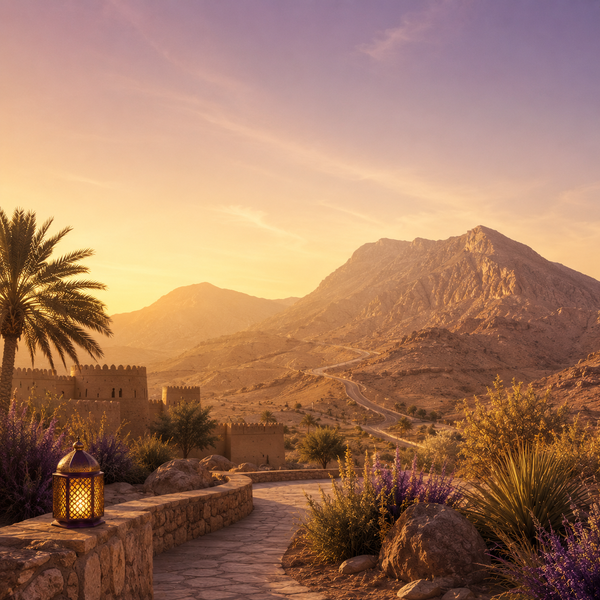
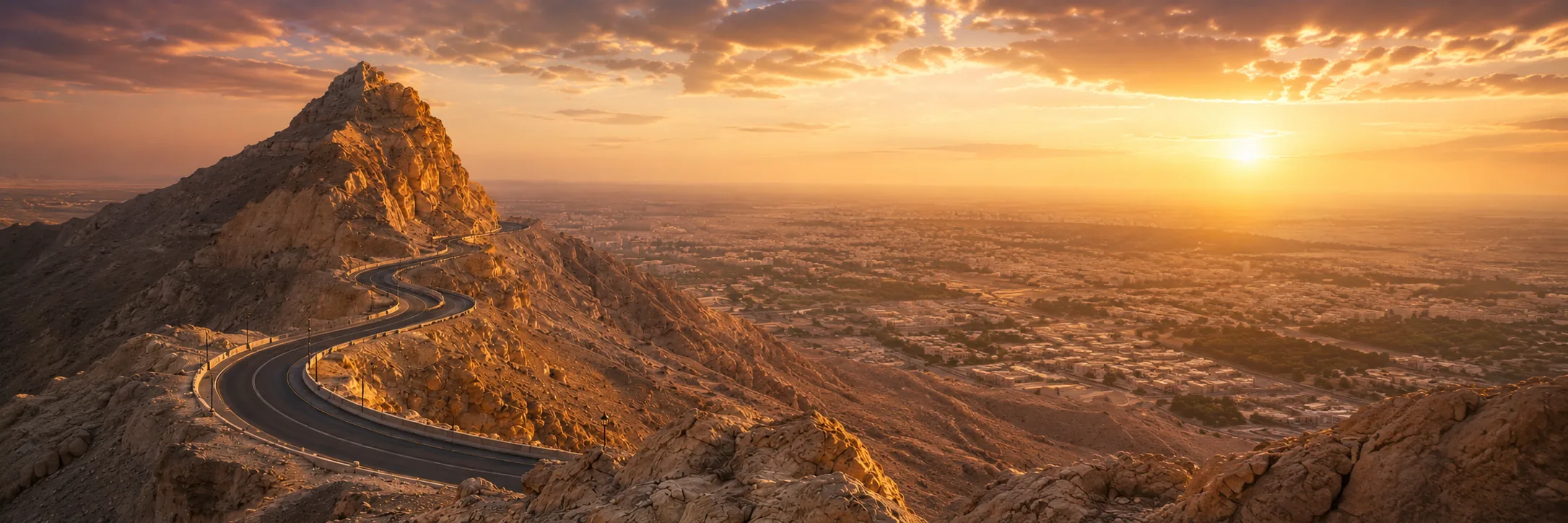
The winding mountain road stretches 12 kilometers to the summit of Jebel Hafeet, making it one of the most beautiful mountain roads in the world. Engineered with great precision, it features sharp turns that reveal breathtaking panoramic views of the desert and city at every curve. The road attracts driving enthusiasts and cyclists from around the world.
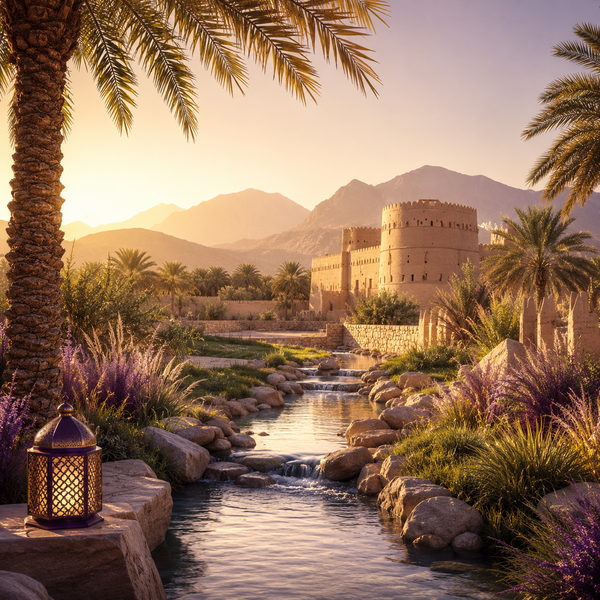
At the mountain's base flow the natural hot springs known as "Ain Al Fayda," warm mineral springs that have served as a therapeutic and recreational destination since ancient times, surrounded by green gardens that provide a natural retreat for residents and visitors alike.
Jebel Hafeet harbors an astonishing biodiversity that makes it a unique natural reserve in the heart of the desert environment. Plant and animal life flourish beyond expectations, as rock crevices, caves, and dry wadis provide diverse habitats for hundreds of species.
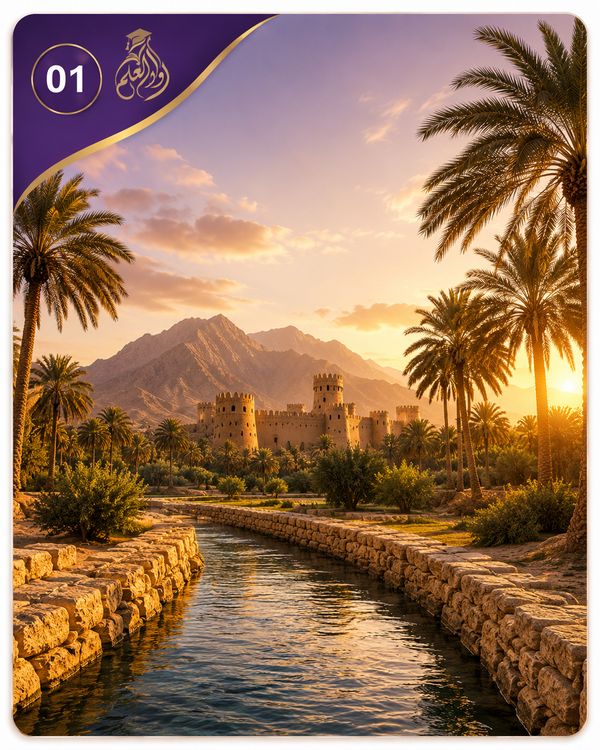
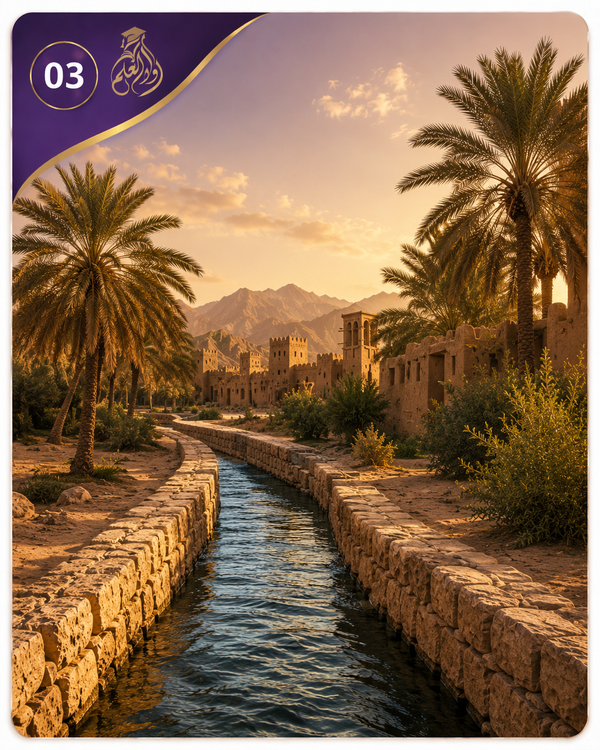
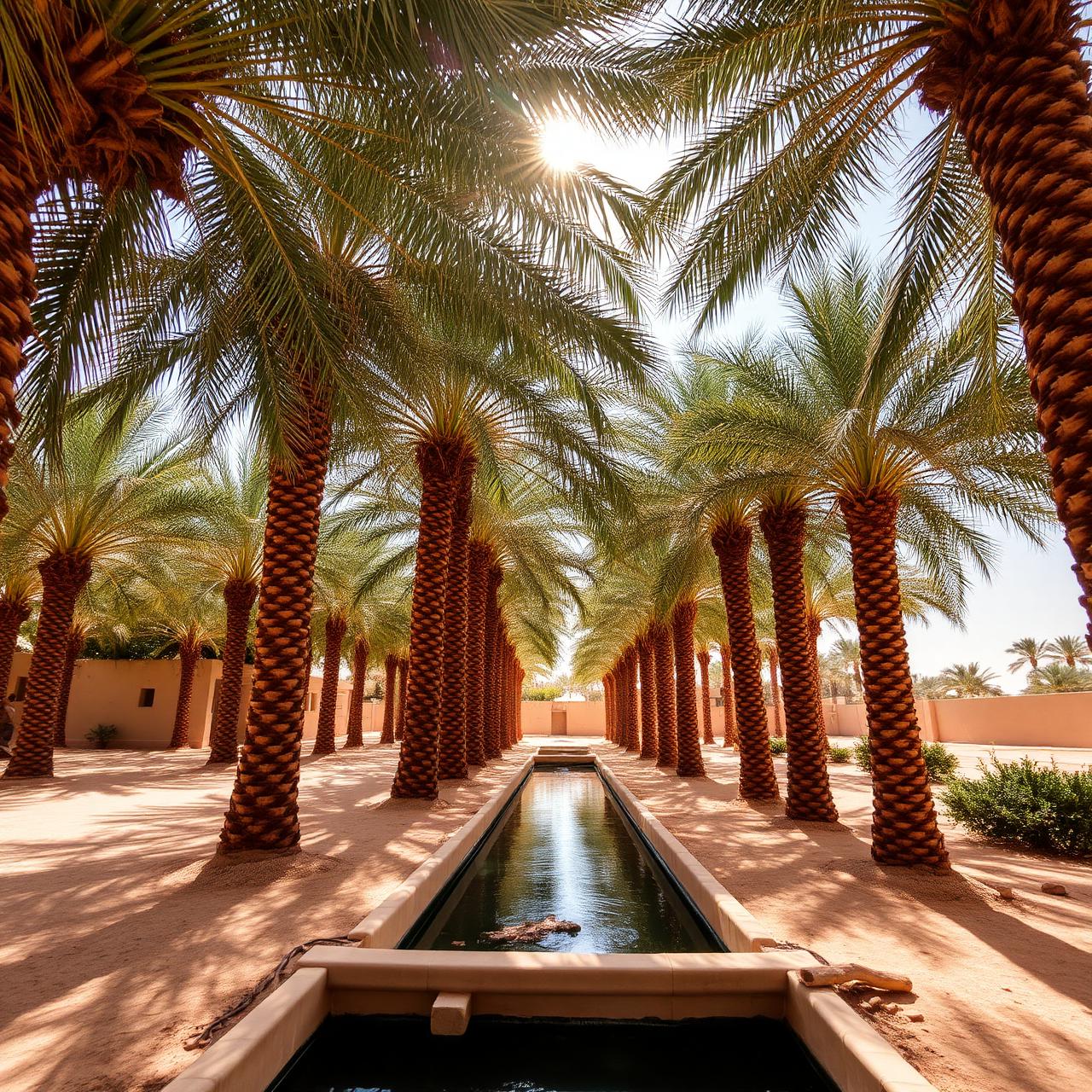
Over 200 plant species grow on the mountain slopes, including wild Sidr and Acacia trees that withstand extreme drought and heat, in addition to traditional medicinal plants used by local inhabitants for generations.
The mountain shelters rich wildlife including red foxes, mountain gazelles, and wildcats, alongside over 120 species of resident and migratory birds, including rare raptors.
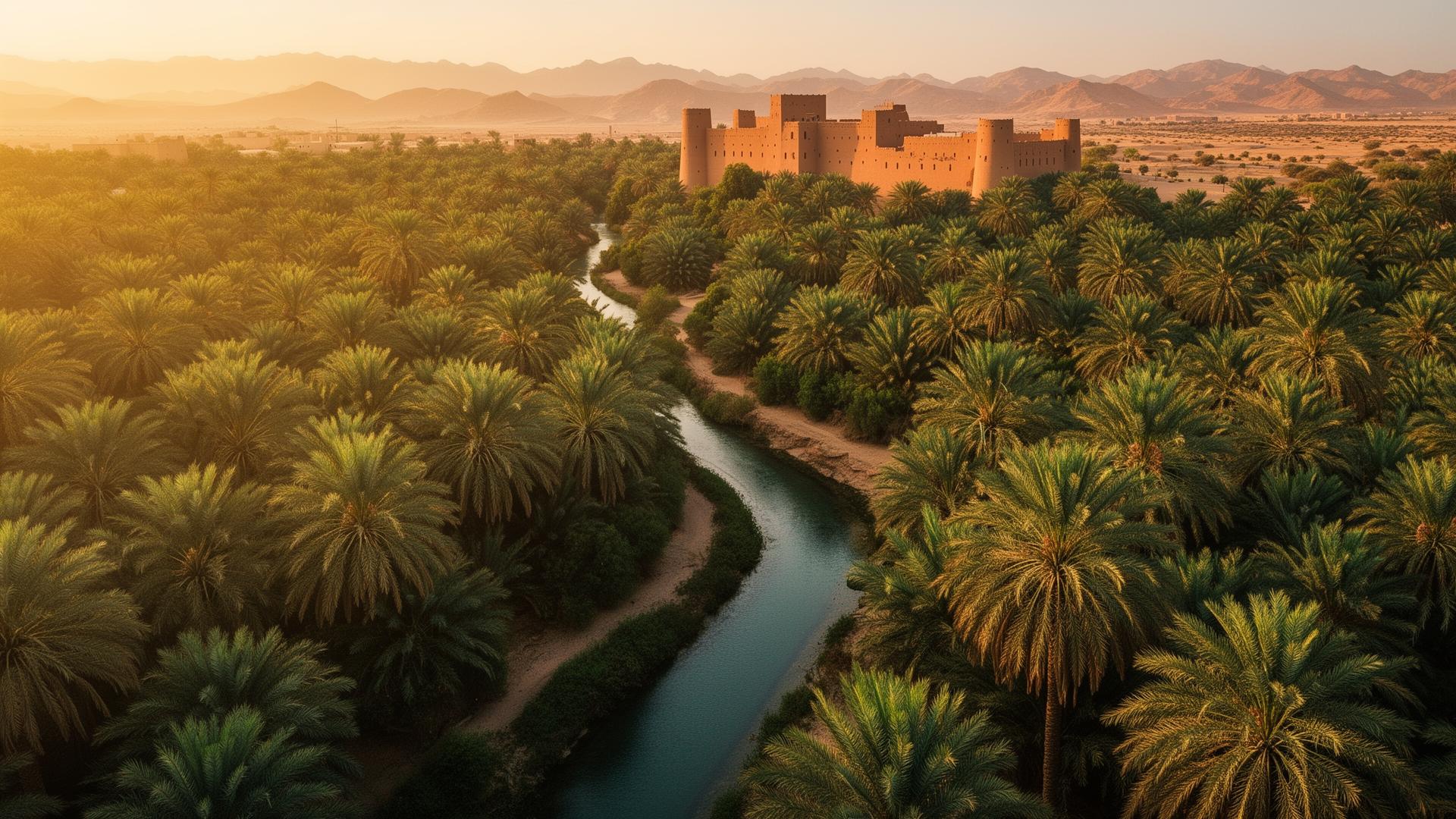
The Abu Dhabi Environment Agency declared Jebel Hafeet a national nature reserve, implementing programs to monitor species and protect them from environmental threats, aiming to preserve this natural heritage for future generations.
Jebel Hafeet holds a special place in the Emirati national memory. It is not merely a geological formation but a symbol of identity and rootedness. This mountain witnessed pivotal historical events linked to the rise and development of Al Ain's civilization, serving as a refuge for local inhabitants and a landmark guiding their journeys. Its name is tied to the founding father Sheikh Zayed, who gave the region extraordinary attention.
The archaeological tombs at the mountain's foothills reveal organized human communities that lived here over five thousand years ago, establishing trade networks that extended across the Arabian Gulf.
The founding father Sheikh Zayed gave great attention to Jebel Hafeet and its surroundings, ordering the construction of the mountain road and developing the surrounding area as a tourism and recreation destination worthy of this natural landmark's grandeur.
Today, Jebel Hafeet represents a bridge between past and present, where conservation, restoration, and sustainable tourism efforts come together to ensure this natural and civilizational heritage remains alive for future generations.
 World Heritage
 Jebel Hafeet and its archaeological tombs form a vital part of Al Ain's cultural landscape inscribed as a UNESCO World Heritage Site in 2011. The mountain holds exceptional geological value with its rock layers revealing a history spanning over seventy million years, containing marine fossils and unique mineral deposits that document the major climatic shifts experienced by the Arabian Peninsula.
Jebel Hafeet is not merely a rock mass, but an open book narrating the story of Earth and humanity across thousands of years, a silent witness to an ancient civilization that arose in the heart of the desert and flourished despite nature's harshness.
Jebel Hafeet rises majestically above the plains of Al Ain, a silent witness to an ancient civilization, a natural landmark embracing the treasures of Earth and humanity across the ages.