Emirate of Abu Dhabi
A Marvel of Ancient Arabian Engineering
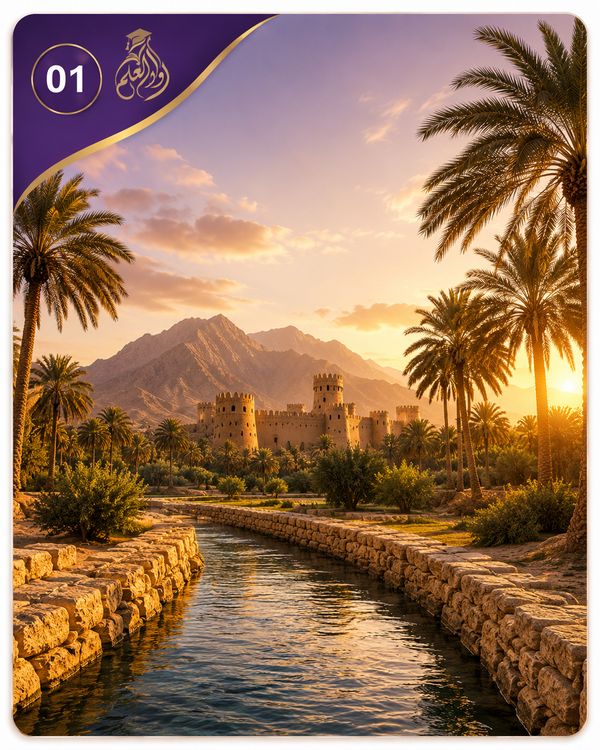
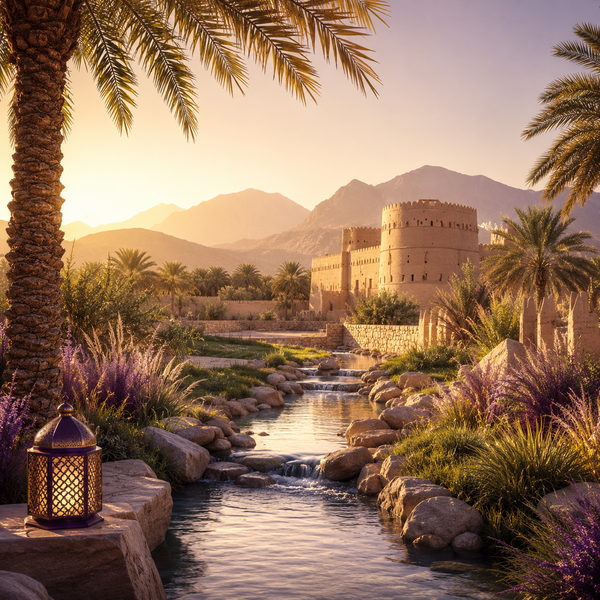
The Falaj system in Al Ain represents an astonishing engineering achievement created by the Arabian people thousands of years ago, through which they conquered the desert, irrigated the land, and built an enduring civilization.
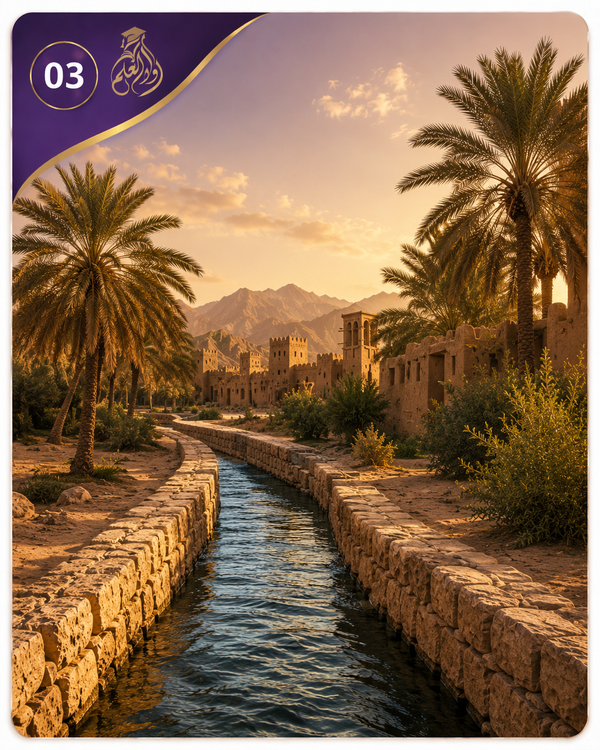
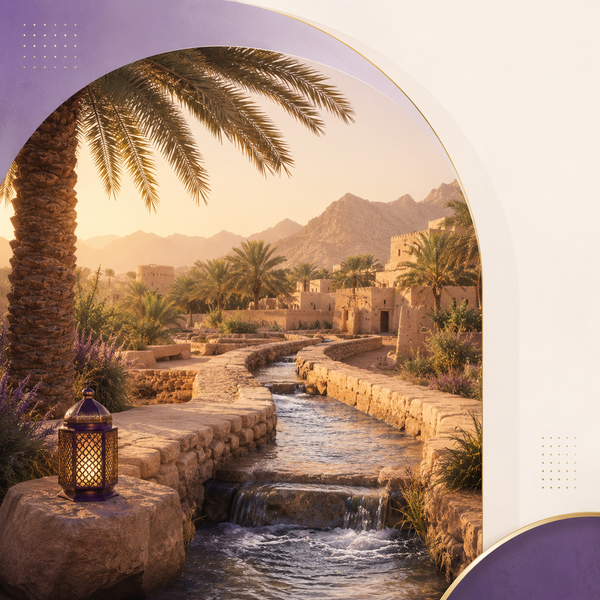
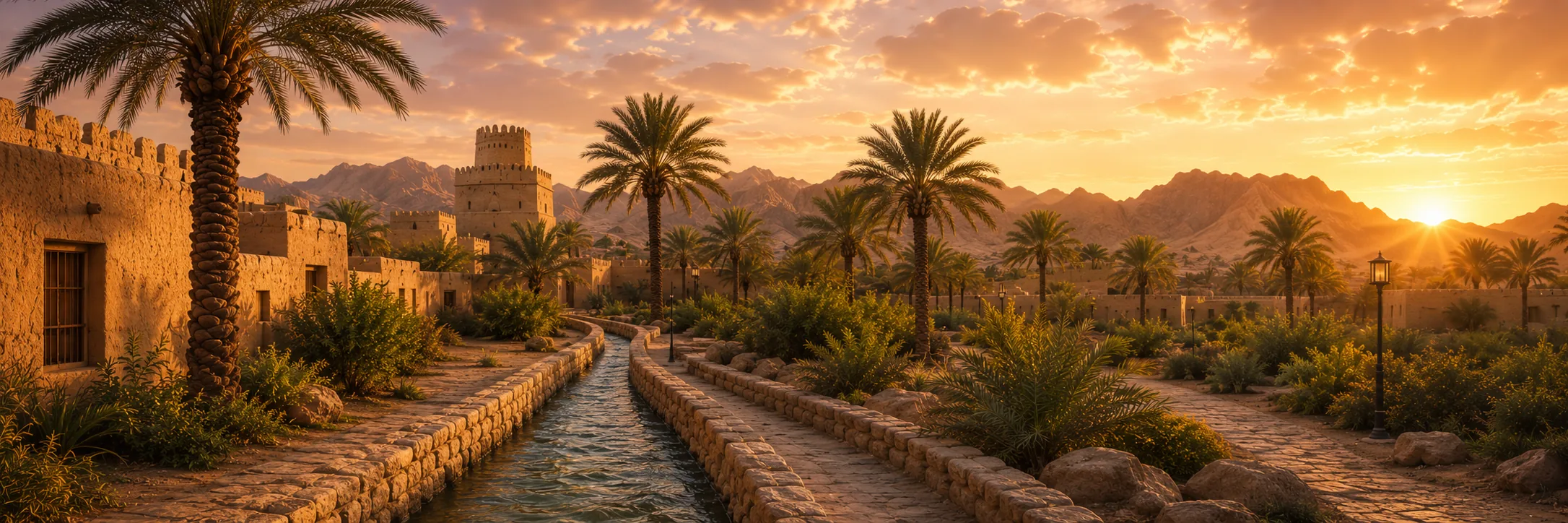
The Falaj is a traditional irrigation system that relies on underground water channels to transport water from natural sources in elevated areas to lower agricultural lands through gravity, without the need for any external energy. It is one of the oldest irrigation systems in the world.
The Falaj system has been the lifeline of Al Ain oases for thousands of years, enabling the Emirati people to cultivate date palms and diverse crops in the heart of the desert. Without this ingenious engineering innovation, the oasis civilization we are proud of today would never have existed.
The Falaj systems in Al Ain are divided into three main types, each distinguished by a unique method of water collection and distribution. The Dawoodi Falaj relies on deep channels that reach groundwater, the Ghaili Falaj harnesses rainwater and seasonal floods, while the Aini Falaj draws its water directly from natural springs.
This diversity in Falaj types demonstrates the ancestors' deep understanding of their surrounding environment and their exceptional ability to develop innovative engineering solutions suited to each available water source, reflecting a high level of civilizational development and scientific knowledge.
Dawoodi, Ghaili, and Aini — each with a unique method
The deepest and most complex type, reaching deep groundwater
Relies on rainwater and seasonal flowing floods
An interconnected channel network irrigating all Al Ain oases
 Engineering
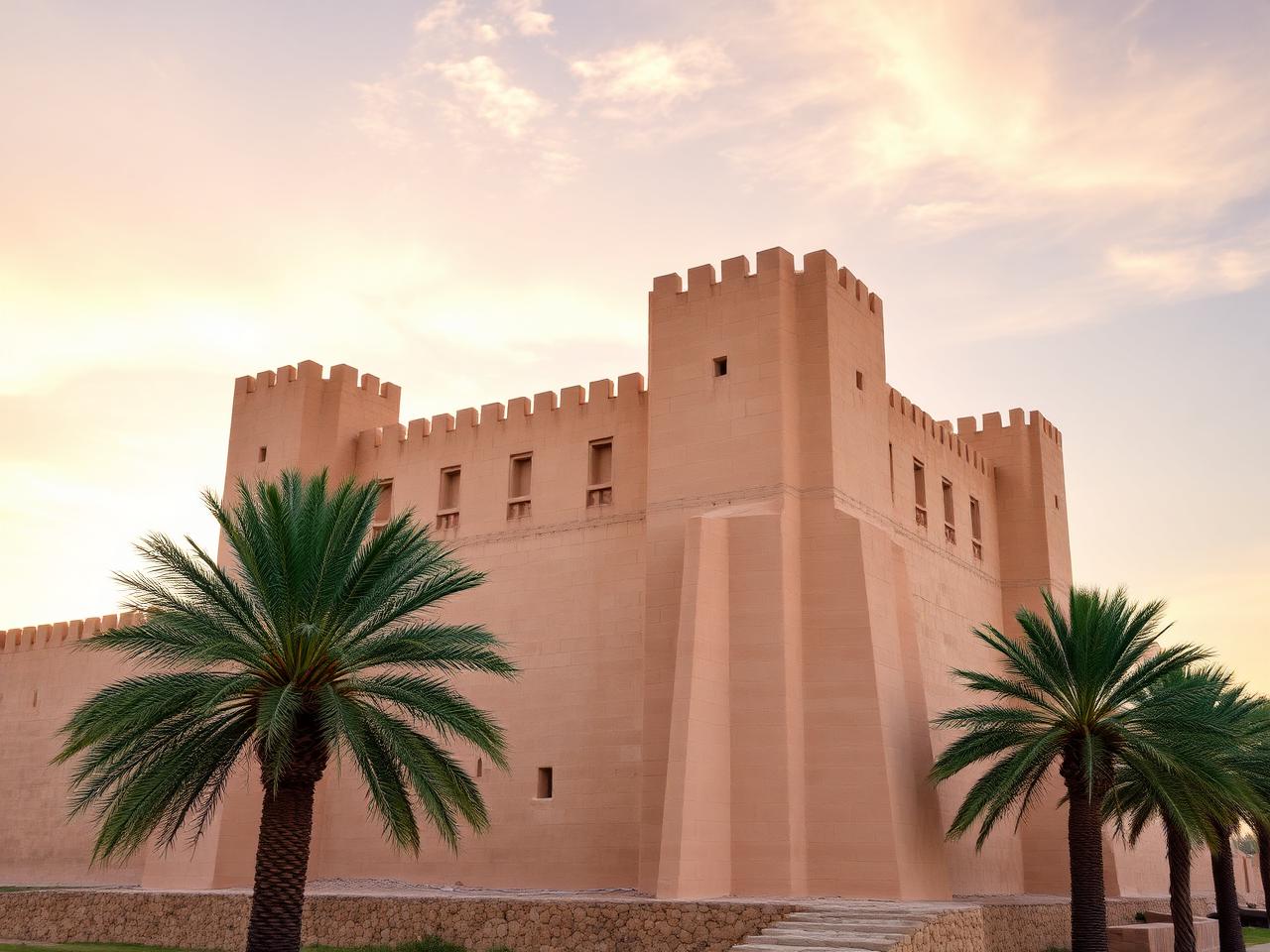
The Falaj systems were built with advanced engineering techniques reflecting a high level of scientific knowledge among the ancestors. Vertical wells were dug at regular intervals for ventilation and maintenance, and precisely graded underground channels were constructed to ensure natural water flow without pumping. Some of these channels extend more than thirty kilometers underground, a living testament to the ingenuity of ancient Arabian construction.
These three stages embody the genius of the ancient Arabian engineer, who with simple tools and precise knowledge built a complete water system that has endured for more than three thousand years.
The Falaj legacy is not merely an engineering achievement, but represents a complete philosophy of life based on equitable water distribution, community cooperation, and environmental respect. The UAE has been keen to preserve this civilizational heritage and restore historic Falaj systems, so they remain witnesses to the ancestors' wisdom and a source of inspiration for future generations.
Our ancestors created a fair water distribution system known as "Al-Dawr," where each farmer receives their water share at a specific time, ensuring equity and preventing waste.
The Abu Dhabi government exerts great efforts to restore and maintain historic Falaj systems, employing modern techniques to preserve this unique civilizational heritage for future generations.
In 2011, UNESCO inscribed the Al Ain Falaj system as a World Heritage Site, in recognition of its exceptional civilizational value as a unique model of human adaptation to the desert environment.
 World Heritage
 The inscription of the Al Ain Falaj system on the UNESCO World Heritage list in 2011 is an international recognition that this water system is not merely irrigation channels, but a living testament to the genius of the Arabian people in facing nature's challenges. The Emirati people proved they could transform the harshest environments into thriving oases of life, through innovation, collective work, and wisdom in resource management.
Where there is water, there is civilization, and where water is managed wisely, nations flourish. The Falaj system in Al Ain is an enduring lesson in the art of coexisting with nature.
The Falaj system remains a testament to the genius of the Arabian people, and an enduring lesson in the art of coexisting with nature and turning challenges into opportunities for prosperity.