



National Currency Symbol
The image of the Arabic Dallah adorns the national currency of the UAE, appearing on the Dirham as a symbol reflecting the values of generosity and authenticity upon which the nation is built and its people take pride.
Emirati Heritage
Rituals of Authentic Emirati Hospitality
The Arabic Dallah carries within its folds a tale of authentic generosity and hospitality, holding a deep symbolic place in Emirati folk heritage, transcending its role as a coffee vessel to become a symbol of identity and authenticity.
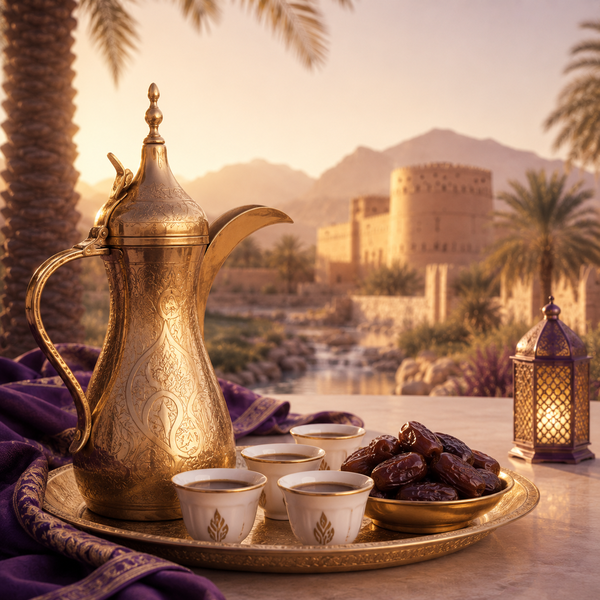
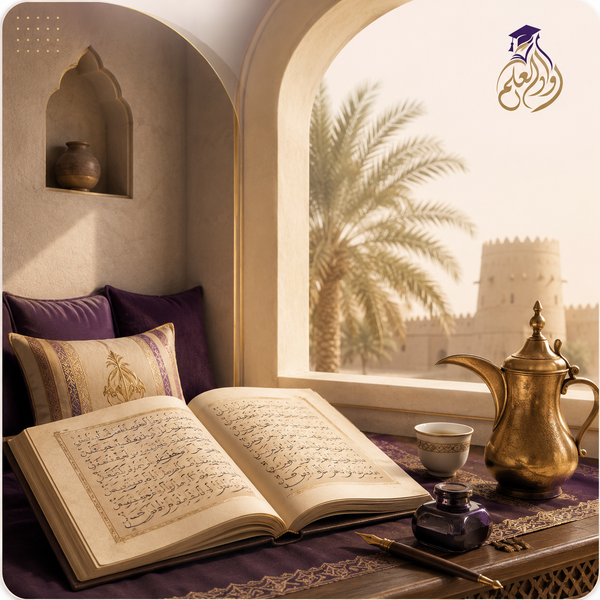
The Arabic Dallah is one of the most venerable symbols of Emirati heritage. It is not merely a vessel for serving coffee but represents the values of generosity, authenticity, and welcoming guests. The Dallah has been linked to the Arab Majlis for centuries, where serving coffee was the first gesture upon receiving guests, expressing respect, appreciation, and the host's generosity.
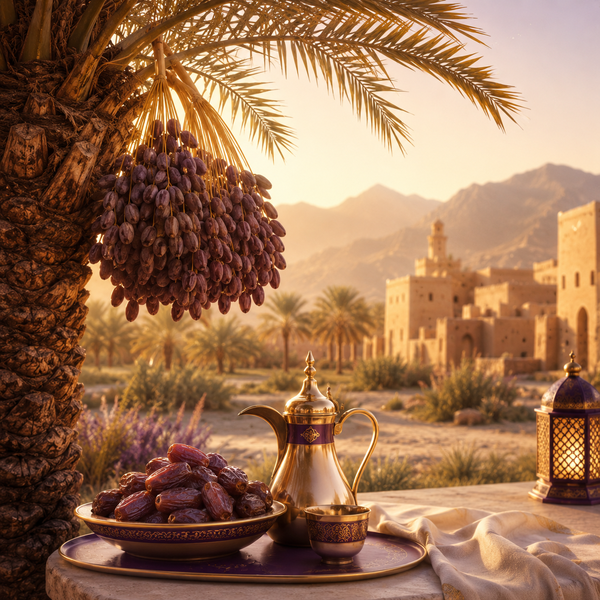
Arabic coffee holds a central place in Emirati hospitality culture, embodying the spirit of authentic Arab generosity. Every Majlis begins with a cup of coffee offered with the right hand alongside dates, a deeply rooted social ritual reflecting values of respect and intergenerational connection. Emirati families have passed down this tradition generation after generation until it became an inseparable part of national identity.
Preparing Arabic coffee is an art form in itself, beginning with selecting the finest green coffee beans that are roasted over gentle heat until they acquire the light golden color that distinguishes Emirati coffee from others. The beans are then ground in a mortar (Minhaaz) with a rhythmic beat known as "Al-Naqra," a distinctive sound that announced to neighbors that coffee was being prepared and guests were welcome.
Special spices are added to the coffee to give it its unique flavor. The most prominent is cardamom (Habbahan), the essential ingredient, alongside saffron which imparts a golden hue and fragrant aroma, and cloves (Mismaar) which give it warmth and a distinctive taste. The coffee is simmered in the Dallah over low heat with these spices, then strained and transferred to the serving Dallah (Mizalla) to be poured into small cups (Finyaal).
An authentic Arab tradition passed through generations
Light roasting gives coffee its distinctive golden color
Essential spices creating the unique Emirati flavor
From the green bean to the golden cup
 Hospitality Etiquette
Serving Arabic coffee is governed by precise etiquette reflecting the depth of Emirati culture. The server (Al-Muabbi) holds the Dallah in his left hand and pours with his right hand. The cup is never filled more than a quarter or a third — filling it completely is considered an insult signaling the host's wish for the guest to leave. The cup is offered first to the eldest or highest-ranking person present, then passed around from right to left.
When the guest has had enough coffee, he shakes the cup side to side as a signal of satisfaction, and the server must respect this gesture immediately. These etiquette rules remain preserved and practiced in Emirati Majlis gatherings to this day.
The Dallah has not remained confined to the past but has transcended its traditional role to become a national symbol present in every aspect of contemporary Emirati life. From the national currency to official emblems, the Dallah affirms its presence as a cultural icon connecting the past to the present.
The image of the Arabic Dallah adorns the national currency of the UAE, appearing on the Dirham as a symbol reflecting the values of generosity and authenticity upon which the nation is built and its people take pride.
The Dallah and Arabic coffee have become an authentic part of Emirati national identity, served at official occasions, state receptions, and diplomatic delegations, representing the civilized face of the UAE before the world.
The UAE exerts great efforts to preserve Arabic coffee heritage through heritage festivals, competitions, and museums, while transmitting the arts of preparation and serving to new generations through specialized educational programs.
The Dallah and Arabic coffee hold a special place in the Emirati conscience. They are not merely a beverage but a deep social and spiritual ritual. Coffee is present at celebrations and condolences, in daily Majlis gatherings and official occasions, with the Dallah bearing witness to moments of connection and solidarity among Emirati society. The late Sheikh Zayed bin Sultan Al Nahyan was keen on serving Arabic coffee in his Majlis, affirming his commitment to authentic customs and traditions.
The Dallah appears on the UAE national currency as a symbol reflecting the people's authenticity and generosity, giving it a permanent presence in every citizen's daily life.
Arabic coffee and the Dallah have become an inseparable part of Emirati national identity, representing the UAE in international forums and served at official receptions as an expression of culture and civilization.
The UAE works to safeguard coffee heritage through heritage festivals, coffee preparation competitions, and specialized museums, while teaching new generations the authentic arts of preparation and serving.
 World Heritage
 In 2015, UNESCO inscribed Arabic coffee on the Representative List of the Intangible Cultural Heritage of Humanity, through a joint nomination submitted by the United Arab Emirates alongside Saudi Arabia, Oman, and Qatar. This international recognition crowned efforts to preserve this ancient heritage that embodies the values of generosity, hospitality, and social connection in Arab culture.
Arabic coffee is not just a beverage; it is a silent language that speaks of generosity, respect, and human connection. In every cup there is a story, and in every Dallah there is a tale of a nation proud of its heritage and committed to passing it on to future generations.
The Arabic Dallah carries within its folds a tale of authentic generosity and hospitality, holding a deep symbolic place in Emirati folk heritage, where the coffee cup remains a bridge connecting generations to their ancient heritage.