




Heritage Exhibitions
The forts house permanent and temporary exhibitions displaying rare historical artifacts, from weapons and tools to manuscripts, telling the story of life in Al Ain through the ages.
Emirate of Abu Dhabi
Fortresses of Emirati Generosity & Courage
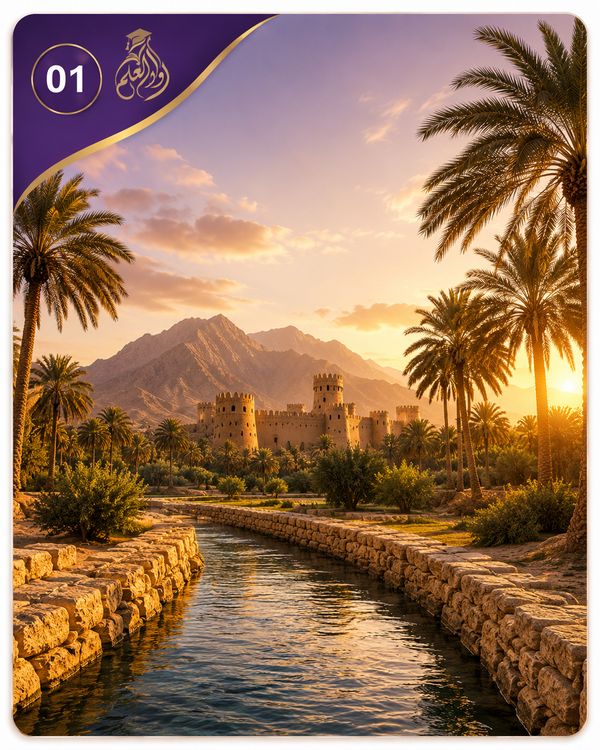
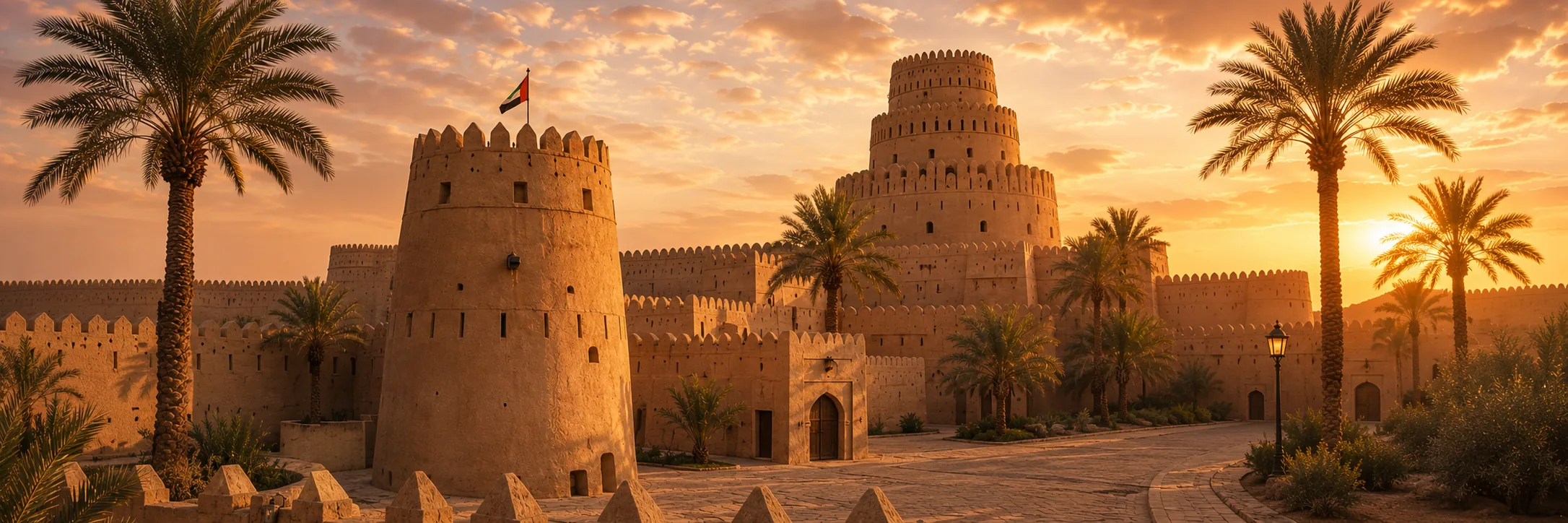
The forts of Al Ain stand tall across centuries, bearing witness to the heroism and generosity of our ancestors, carrying within their walls stories and deep civilizational significance.
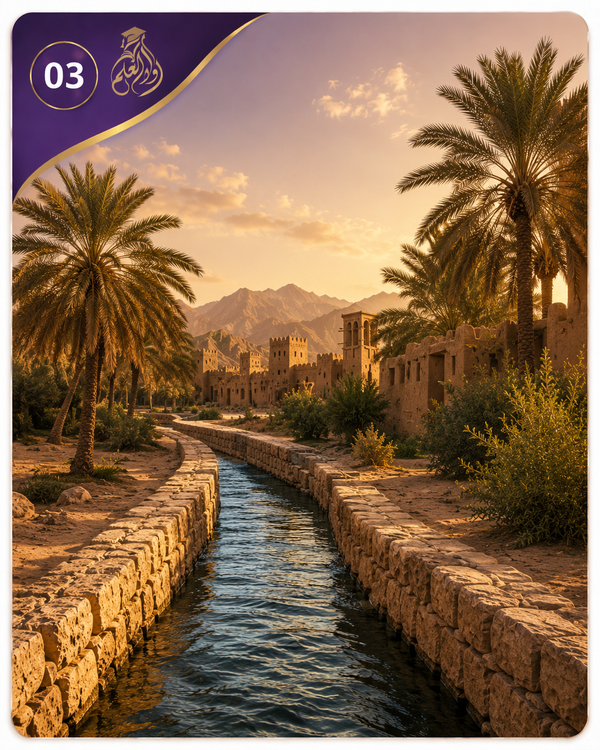
The forts of Al Ain were built over centuries to protect oases and local communities from invaders, serving as the first line of defense for land, honor, and dignity. They feature unique architectural designs combining durability with beauty.
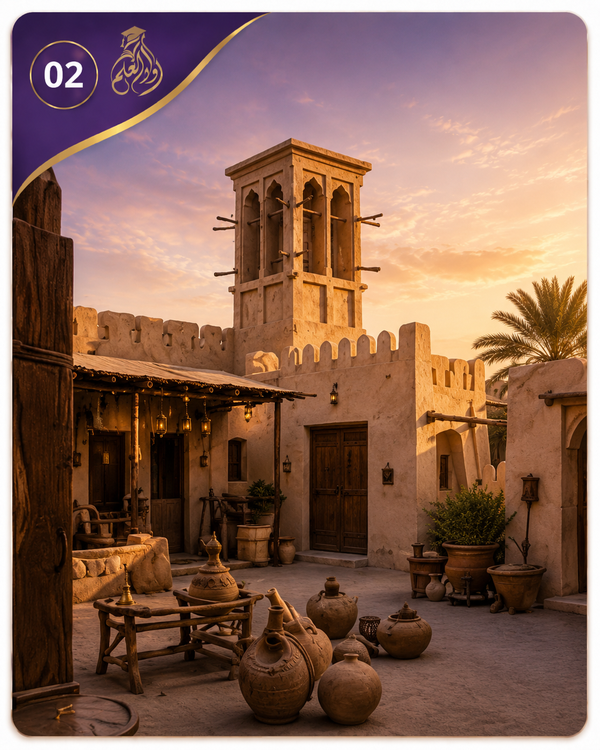
The forts were not mere defensive structures but served as centers of governance, hospitality, and tribal affairs. They hosted councils where peace was made, disputes resolved, and guests honored according to authentic Arab traditions of generosity.
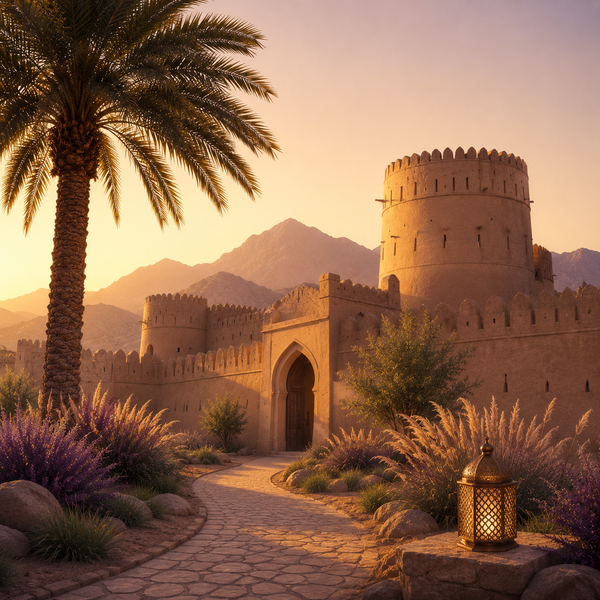
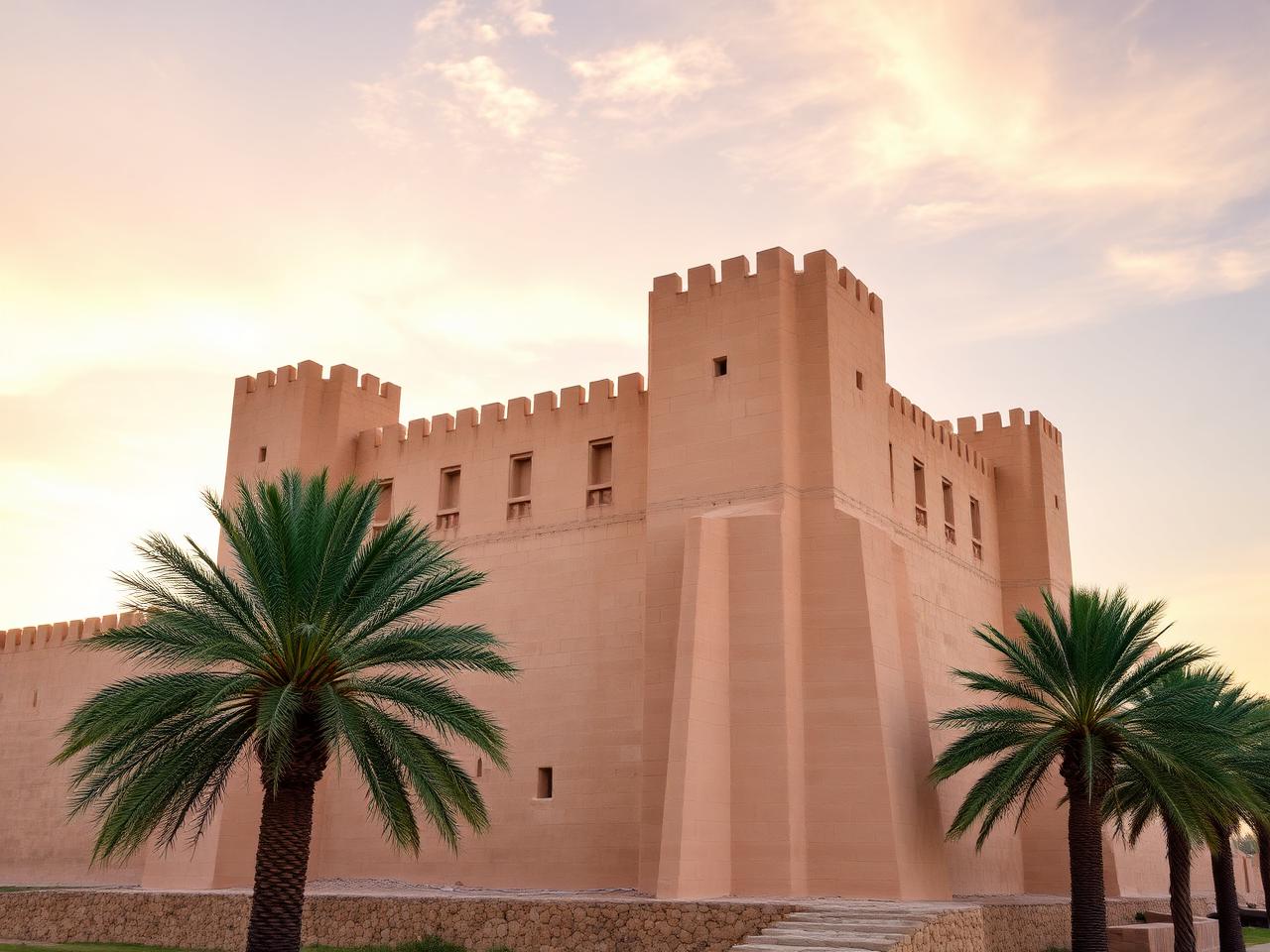
Al Jahili Fort is one of the most prominent historical landmarks in Al Ain and the largest fort in the region. It was built in 1891 by order of Sheikh Zayed bin Khalifa Al Nahyan (Zayed the First) to serve as a summer residence for the ruler and a fortified defensive point to protect the surrounding palm farms. The fort features four towering towers and thick walls built from mud and stone.
The fort underwent a comprehensive restoration between 2007 and 2008 in collaboration with the Abu Dhabi Tourism and Culture Authority. It was reopened as a museum and cultural center housing a permanent exhibition about British explorer Wilfred Thesiger, who documented his journeys across the Empty Quarter in the 1940s.
By order of Sheikh Zayed the First
Towering watchtowers at the corners of the fort
Permanent exhibition documenting Empty Quarter journeys
Comprehensive restoration as a cultural center

 Al Ain Fort
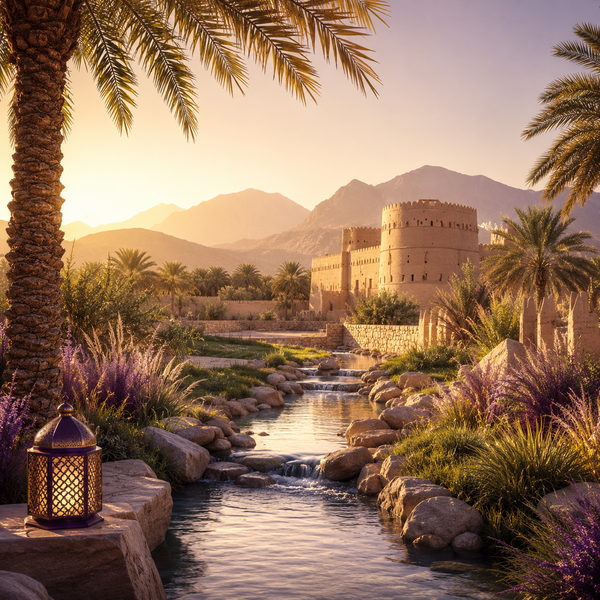
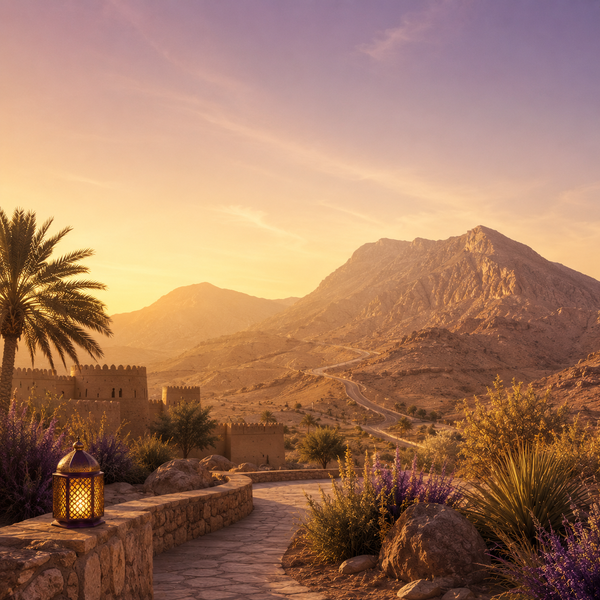
Al Ain Fort is located in the heart of the city near Al Ain Oasis, serving as the main seat of local governance and an important administrative center. It features a square design with a massive circular tower and a spacious inner courtyard. Mazyed Fort sits at the foot of Jebel Hafeet and was used for surveillance and defense of trade routes leading to Al Ain.
Together, these forts formed an integrated defense system that protected Al Ain, its oases, and resources from any external threat for centuries.
Al Ain's forts have been transformed into museums and cultural centers attracting thousands of visitors annually from around the world. The UAE has given great attention to restoring these historical landmarks to serve as living witnesses to the past and beacons for future generations.
The forts house permanent and temporary exhibitions displaying rare historical artifacts, from weapons and tools to manuscripts, telling the story of life in Al Ain through the ages.
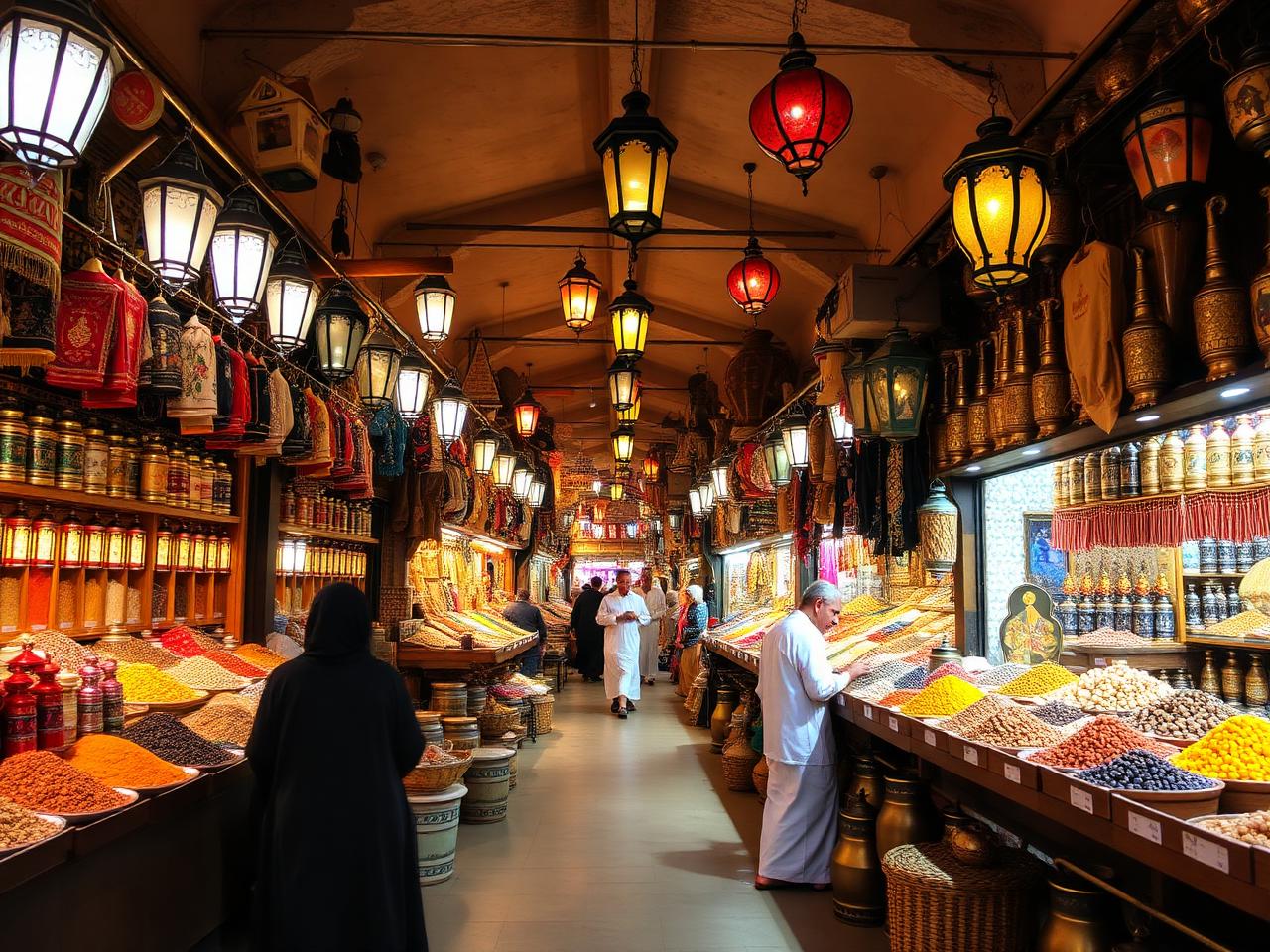
The forts host diverse cultural and artistic events throughout the year, from craft workshops to heritage performances that revive the arts of our ancestors.
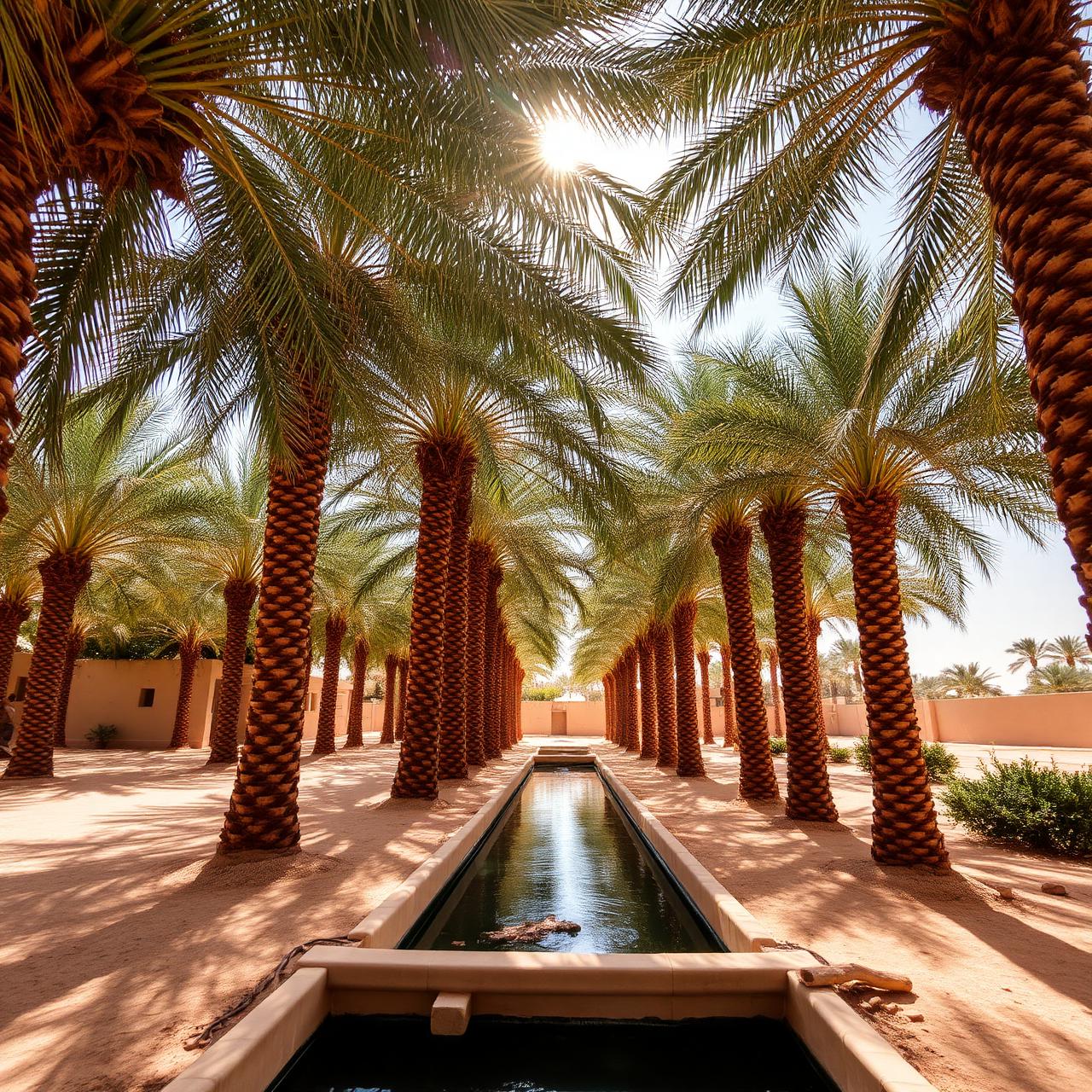
Al Ain's forts have become an important tourist destination attracting over one hundred thousand visitors annually who learn about the region's history and ancient civilization.
The forts of Al Ain hold a special place in the Emirati national memory. They are not merely stone buildings but symbols of identity and belonging. These forts witnessed pivotal historical events, from resisting invaders to hosting governance and judicial councils. Al Jahili Fort is closely associated with the founding father Sheikh Zayed bin Sultan Al Nahyan, who lived there during his youth.
The forts played a pivotal role in repelling invasions and maintaining the security and independence of the region's tribes over centuries.
The forts hosted councils where tribal affairs were managed and people were judged with justice and equity.
Al Jahili Fort is linked to the memory of Sheikh Zayed who lived there, and from which his journey to build the modern UAE began.
 World Heritage
 Al Ain's forts form an integral part of the city's cultural landscape listed as a UNESCO World Heritage Site in 2011. These forts represent a unique model of traditional defensive architecture in the Arabian Peninsula, reflecting the ability to build sturdy structures using simple local materials such as mud, stone, and palm trunks.
Al Ain's forts are not just stones and walls, but a living record of an entire nation's history, a witness to the courage and wisdom of ancestors who built civilization in the heart of the desert.
The forts of Al Ain stand tall across centuries, bearing witness to the heroism and generosity of our ancestors, carrying within their walls stories and deep civilizational significance.